




Mayotte is not the kind of island you stumble upon by accident. Tucked away in the Indian Ocean between Madagascar and Mozambique, this small French overseas department feels worlds apart from the polished resort destinations most travelers know. And that’s exactly its appeal.
If you’re searching for the top places to visit in Mayotte, chances are you’re not looking for infinity pools or beachfront cocktails. You’re looking for something more real. More local. More untouched. Mayotte offers an authentic island experience shaped by African, Comorian, and French influences, where daily life unfolds in bustling markets, quiet fishing villages, and along one of the largest coral lagoons on the planet.
Here, sea turtles swim just offshore, volcanic peaks rise above coastal towns, and traditions still guide everyday rhythms. Tourism exists, but it hasn’t taken over. Many of the island’s most beautiful places are shared with locals, not built for visitors.
In this guide, we’ll explore the best places to visit in Mayotte if you want to go beyond surface-level sightseeing. From iconic beaches and lagoon adventures to cultural towns and wild nature, these destinations show why Mayotte rewards travelers who slow down, stay curious, and embrace the island as it truly is.
I. Why Mayotte Is Perfect for an Authentic Island Experience
Mayotte stands out because it hasn’t been shaped around tourism. Unlike nearby islands such as Mauritius or Réunion, Mayotte developed first as a place to live, not a place to vacation. That difference is felt the moment you arrive.
The island blends African, Comorian, and French influences in a way that feels organic rather than curated. You’ll hear French spoken alongside Shimaore, see mosques next to colonial buildings, and watch daily life unfold without any performance for visitors. Markets are busy because locals shop there. Beaches are lively because families gather, not because resorts organize activities.
Nature plays a huge role in this authenticity. Mayotte is surrounded by one of the largest enclosed lagoons in the world, protected by a double coral reef. Sea turtles, dolphins, and coral reefs are part of everyday life here, not special excursions designed for tourists. Inland, volcanic hills, crater lakes, and dense vegetation remind you that this island is still raw and largely untouched. If you’re interested in exploring authentic wildlife, don’t miss this 4-5 day safari itinerary in Kenya.
Traveling in Mayotte also requires slowing down. Public transport is basic, nightlife is minimal, and infrastructure can feel simple. But that’s exactly what allows genuine interactions and quiet moments to happen. If you value cultural depth, natural beauty, and destinations that haven’t been overexposed, Mayotte offers an island experience that still feels honest and deeply human.
Get Mayotte Travel eSIM
II. Mamoudzou: Experience Real Local Life in Mayotte
Mamoudzou is not the prettiest place in Mayotte, but it is the most important one to understand. As the island’s capital and economic center, Mamoudzou is where everyday life happens at full volume. Visiting it gives you a clear picture of what living in Mayotte actually feels like.
The city is busy, crowded, and full of movement. Ferries constantly shuttle people across the channel to Petite-Terre. Street vendors sell snacks, fruit, and grilled food. Shops spill onto the sidewalks, and conversations mix French with Shimaore and Arabic influences. It may feel overwhelming at first, but that energy is exactly what makes Mamoudzou authentic.
One of the best places to start is Marché de Mamoudzou, the central market. Here you’ll find tropical fruit, spices, fresh fish, and everyday goods used by locals. It’s not designed for tourists, which makes it one of the most genuine experiences on the island. Walking through the market offers a deeper cultural insight than any guided tour.
Along the waterfront, you’ll see families gathering in the evenings, commuters waiting for ferries, and fishermen preparing their boats. There are no postcard views or curated attractions here, but Mamoudzou shows the social heartbeat of Mayotte. Spending even a few hours in the city helps you understand the island beyond its beaches and landscapes.
III. Petite-Terre and Plage de Moya: The Calm Side of Mayotte
After the intensity of Mamoudzou, Petite-Terre feels like a deep exhale. This smaller island, home to the airport, offers a slower rhythm and some of the most accessible natural scenery in Mayotte. Many travelers pass through quickly, but staying here even briefly reveals a quieter, more intimate side of island life.
The town of Dzaoudzi carries traces of Mayotte’s colonial past. Old administrative buildings, shaded streets, and views across the water toward Grande-Terre give it a reflective, almost nostalgic atmosphere. Nearby Pamandzi feels more residential, with local beaches where families gather in the afternoons and evenings.
The highlight of Petite-Terre is Plage de Moya, one of the most talked-about beaches in recent travel guides. Wide, open, and backed by rolling hills, Moya Beach feels wild yet welcoming. Locals come here to picnic, swim, and watch the sunset, while travelers appreciate the space and lack of development. There are no resorts, no loud beach clubs, and no organized activities. Just sand, sea, and time.
Plage de Moya has also become popular with photographers thanks to its natural curves and open landscape, but it never feels crowded. Visiting here shows how Mayotte’s best beaches are still shared spaces rather than commercial attractions, making Petite-Terre an essential stop for an authentic island experience.

IV. Plage de N’Gouja: Swimming with Sea Turtles in Their Natural Habitat
Plage de N’Gouja is often the first place people mention when talking about Mayotte, and for good reason. It’s one of the rare beaches in the world where you can regularly swim alongside sea turtles just a few meters from shore, without needing a boat or an organized tour.
What makes N’Gouja special is how natural everything feels. The beach is lined with massive baobab trees, and the dark volcanic sand contrasts beautifully with the turquoise water. As soon as you enter the sea, you’ll notice coral patches and sea grass, which attract green turtles that feed calmly throughout the day. Seeing them glide through the water here feels normal, not staged.
Despite its popularity, N’Gouja has avoided becoming overdeveloped. There are no resorts blocking access and no controlled entry points. Locals come here with their families, and travelers share the space respectfully. This balance is a big part of why the experience still feels authentic rather than commercial.
Snorkeling conditions are best during calm weather, especially in the morning when visibility is clearer and the beach is quieter. While swimming with turtles is unforgettable, it’s important to keep your distance and avoid touching them, as the area is part of a protected ecosystem.
Plage de N’Gouja perfectly captures what makes Mayotte unique: extraordinary wildlife encounters that are part of everyday island life, not something built purely for tourists.
V. The Mayotte Lagoon: One of the World’s Largest and Most Underrated
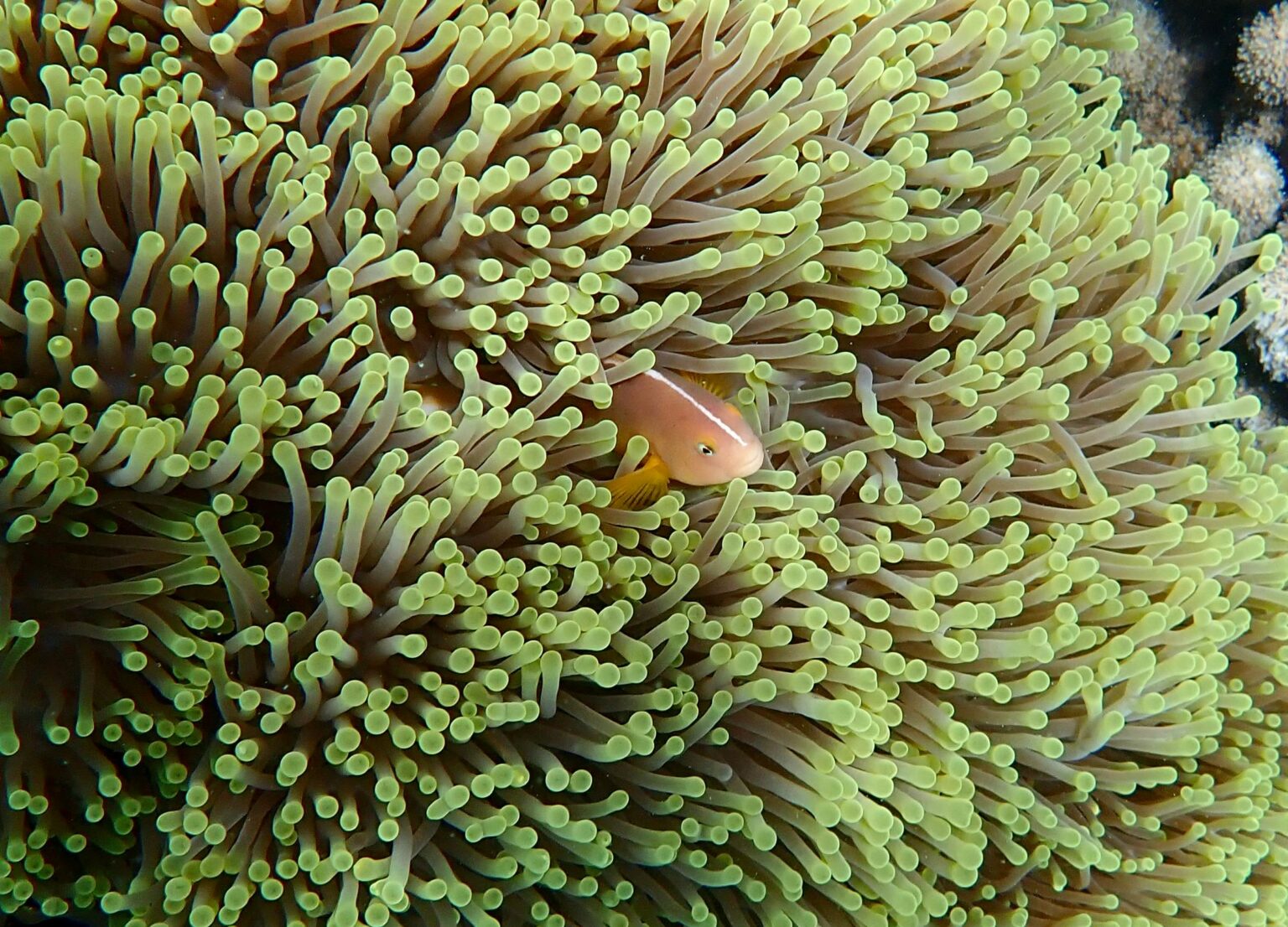
Surrounding the island like a natural shield, the Mayotte Lagoon is the quiet star of the island. Protected by a rare double coral reef, it forms one of the largest enclosed lagoons on Earth, yet it remains largely absent from mainstream travel conversations. You can explore more about Africa’s marine life by checking out the best places to visit in South Africa.
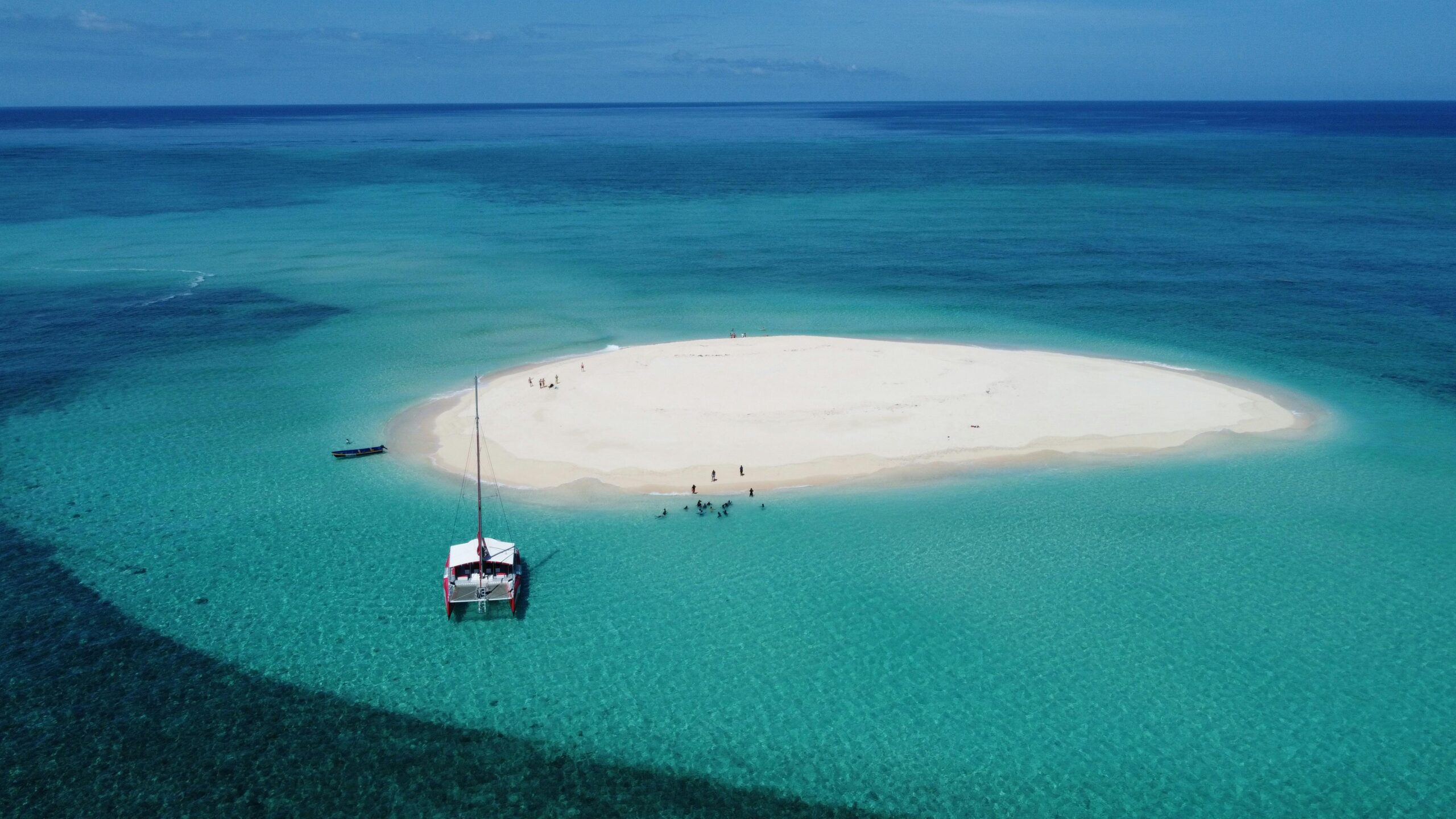
What makes the lagoon special is its accessibility. You don’t need luxury boats or expensive tours to experience it. In many places, you can snorkel straight from the shore and find coral gardens, tropical fish, and clear, calm water within minutes. For deeper exploration, small local operators run snorkeling and boat trips that feel personal rather than packaged.
Wildlife is a major draw. Dolphins are commonly spotted, manta rays appear seasonally, and from July to October, humpback whales migrate through the area, making Mayotte one of the most rewarding whale-watching destinations in the Indian Ocean. These experiences are governed by conservation rules, reinforcing the island’s strong environmental focus. If you’re planning a longer African itinerary, check out these eSIMs for Africa to stay connected.
Much of the lagoon falls under the Mayotte Marine Natural Park, which helps protect coral reefs and marine species. This protection is one reason the lagoon still feels alive and healthy compared to more heavily trafficked island destinations.
Instead of feeling like a highlight designed for tourists, the lagoon is woven into daily life. Fishing boats, family swims, and quiet coastal moments happen alongside snorkeling adventures. Exploring the Mayotte Lagoon isn’t about ticking off an attraction. It’s about slowing down and sharing space with one of the most remarkable marine environments in the world.
VI. Lac Dziani: A Volcanic Crater Lake with Unreal Colors
Hidden on Petite-Terre, Lac Dziani feels like a surprise waiting to be discovered. Formed inside an ancient volcanic crater, this small lake stands out for its intense emerald-green color, which shifts depending on the light and time of day. It’s one of those places that looks unreal in photos but feels even more striking in person.
A walking path circles the crater, making it easy to explore at a relaxed pace. Early morning is the best time to visit, when the air is cooler, and the lake reflects soft sunrise tones. The surrounding vegetation and elevated viewpoints give you a peaceful contrast to Mayotte’s beaches and coastal towns.
What makes Lac Dziani especially appealing for travelers seeking authenticity is its simplicity. There are no ticket booths, no cafés, and no crowds. Locals come here to walk, jog, or enjoy quiet moments, and visitors blend in naturally. It’s not an attraction built to impress, but a natural feature that quietly leaves an impression.
In recent years, Lac Dziani has gained attention among photographers and slow travelers who enjoy scenic, low-effort hikes with unique landscapes. It’s a reminder that Mayotte isn’t just about the sea. The island’s volcanic past has shaped dramatic inland scenery that’s just as rewarding to explore.
VII. Mount Choungui: The Most Rewarding Hike in Mayotte
Rising sharply from the southern part of the island, Mount Choungui is one of Mayotte’s most recognizable natural landmarks. Its steep, cone-like shape dominates the landscape, and reaching the summit is considered a rite of passage for adventurous travelers visiting the island.
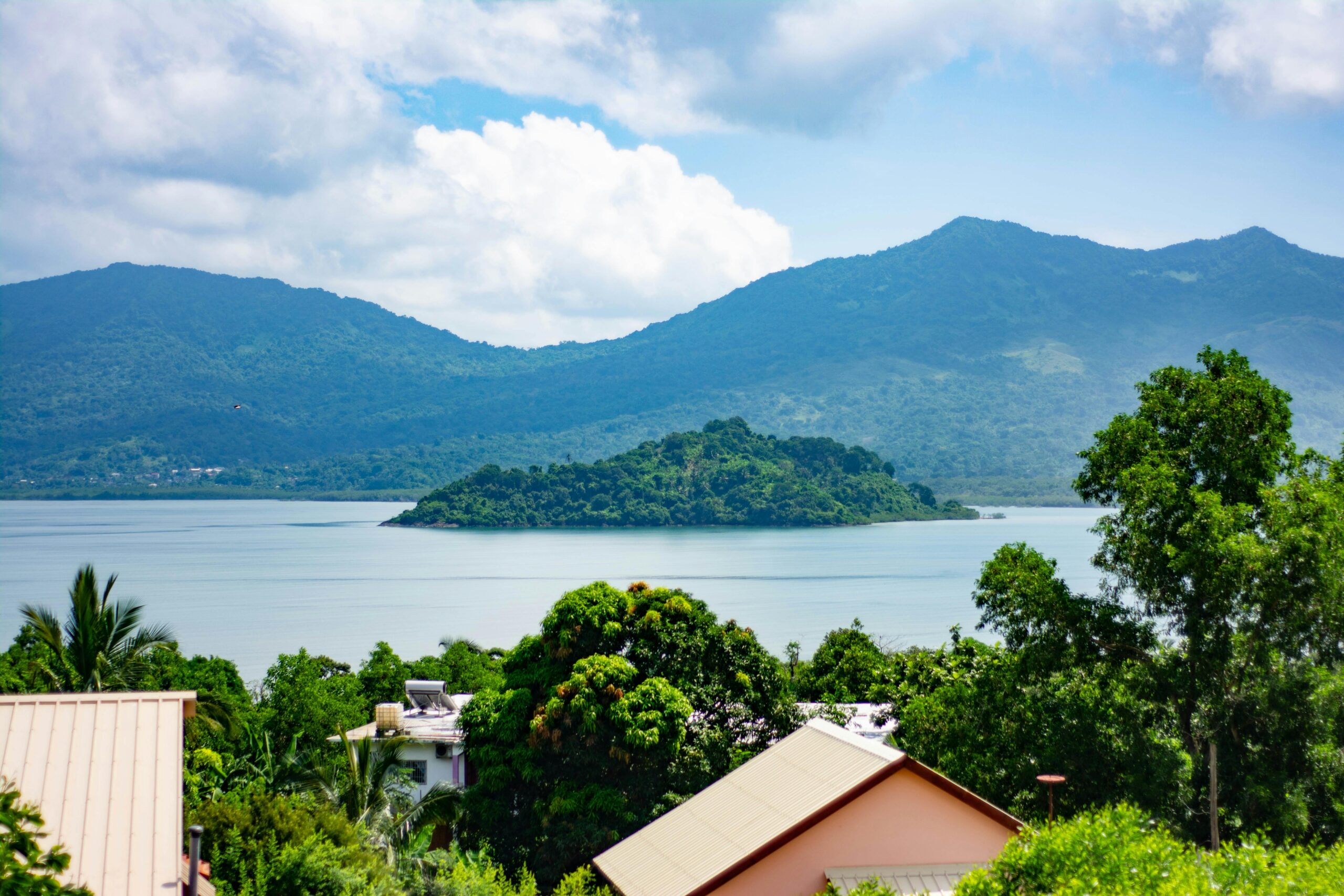
The hike is short but demanding. The trail climbs quickly through humid forest and rocky sections, requiring steady footing and a decent level of fitness. There are no railings or developed facilities, which adds to the raw, untouched feel of the experience. Starting early in the morning is highly recommended to avoid the midday heat and humidity.
As you ascend, the views gradually open up, revealing villages, coastline, and finally the vast lagoon stretching out below. From the top, you can see why Mayotte is so special. The contrast between lush green land and bright blue water is striking, and the sense of isolation makes the moment feel earned rather than staged.
Mount Choungui remains largely free from mass tourism. Many hikers choose to go with local guides who know the safest routes and share insights about the area. This not only supports the local economy but also deepens the experience.
For travelers seeking authenticity, Mount Choungui offers more than a viewpoint. It delivers challenge, perspective, and a powerful connection to Mayotte’s natural landscape.
VIII. Saziley Peninsula: Wild Coastlines and Protected Marine Life
The Saziley Peninsula, located in the south of Grande-Terre, is one of the most untouched areas in Mayotte. This is not a place you visit for comfort or convenience. You come here for raw landscapes, silence, and a sense of being far from everything.
The peninsula is part of a protected marine and coastal zone, known for its rugged cliffs, open views of the Indian Ocean, and important sea turtle nesting sites. Depending on the season, you may spot turtles coming ashore or see signs of recent nesting activity, which makes the experience feel deeply connected to nature rather than tourism.
There are few facilities in the area, so visiting Saziley requires planning. Bring water, sun protection, and snacks, and be prepared for limited phone signal. This lack of infrastructure is exactly why the peninsula feels so authentic. Nothing here is designed to entertain you. The landscape speaks for itself.
Travelers who make the effort are rewarded with dramatic scenery and quiet moments rarely found elsewhere on the island. It’s especially appealing to photographers, nature lovers, and travelers who value space and solitude. Saziley shows a side of Mayotte that remains largely unchanged, where conservation and natural rhythms take priority.
IX. Traditional Villages: Experiencing Everyday Mahoran Life
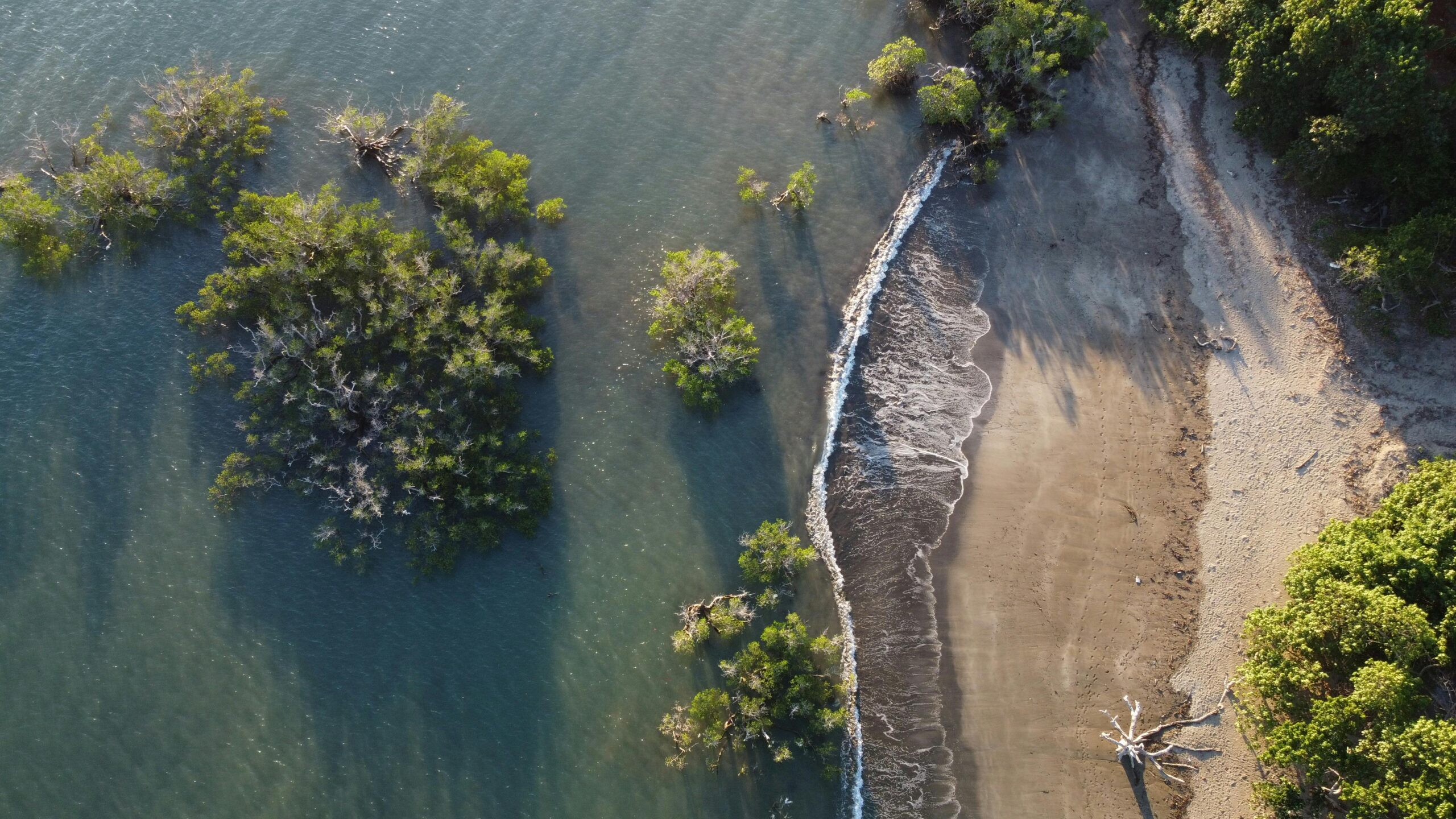
To truly understand Mayotte, you need to spend time in its villages. Away from the beaches and viewpoints, daily life here is shaped by community, tradition, and rhythm rather than schedules or attractions. Visiting traditional villages offers one of the most meaningful ways to experience the island authentically.
Villages such as Bandrélé, Chiconi, and Kani-Kéli reflect the cultural heart of Mayotte. You’ll see mosques at the center of village life, fishermen returning with their catch, and children playing in open spaces as neighbors gather nearby. These are not places set up for tourism. They are living communities, and visitors are guests rather than spectators.
Walking through a village reveals simple but important details. Modest clothing is the norm, especially away from the beach. Greetings are valued, and asking before taking photos is a sign of respect. These small gestures go a long way in creating positive interactions and meaningful exchanges.
Many travelers find that their most memorable moments in Mayotte happen in these everyday settings. A conversation at a roadside shop, a shared smile at the market, or watching the sunset from a village shoreline often leaves a stronger impression than any landmark.
Including village visits in your itinerary adds depth and balance to your trip. They remind you that Mayotte’s authenticity doesn’t come from isolation alone, but from the people who call the island home.
X. Is Mayotte Right for You? An Honest Travel Reality Check
Mayotte is not a destination designed to impress everyone, and that’s part of its strength. If you’re expecting luxury resorts, nightlife, or polished tourist infrastructure, the island may feel challenging. Hotels are limited, public transport can be basic, and outside of major towns, English is not widely spoken. French is the main language, and adapting to local rhythms takes patience.
Travel here also requires flexibility. Plans may change due to weather, ferry schedules, or local conditions. Some areas have limited services, and exploring the island often means slowing down and adjusting expectations. For travelers who prefer efficiency and convenience, this can feel uncomfortable.
However, for the right traveler, these same factors become advantages. Mayotte rewards curiosity, respect, and a willingness to engage with local life as it is. If you enjoy nature over nightlife, cultural depth over entertainment, and meaningful experiences over checklists, the island offers something rare.
This destination suits slow travelers, nature lovers, photographers, hikers, and anyone drawn to places that remain largely untouched by mass tourism. If authenticity is more important to you than comfort, Mayotte is likely to leave a lasting impression.
XI. Conclusion: Why Mayotte Rewards Travelers Who Go Beyond the Surface
Mayotte is not a destination that tries to sell itself. It doesn’t rely on polished images, luxury branding, or carefully curated experiences. Instead, it quietly offers something far more valuable: an island that still lives by its own rhythm.
From the energy of Mamoudzou and the calm of Petite-Terre to swimming with sea turtles at Plage de N’Gouja, exploring the vast lagoon, hiking Mount Choungui, and walking through traditional villages, the top places to visit in Mayotte all share one thing in common. They feel real. They exist first for the people and nature of the island, and only second for visitors.
Traveling here asks you to slow down, observe, and adapt. In return, Mayotte gives you uncrowded beaches, genuine cultural encounters, and some of the richest marine life in the Indian Ocean. It’s a place where extraordinary moments happen naturally, not because they were planned for tourists.
If you’re looking for an authentic island experience that hasn’t been reshaped by mass tourism, Mayotte stands apart. Visit with curiosity, respect, and patience, and you’ll discover an island that feels less like a destination and more like a world quietly continuing on its own terms.
📶 Travel Tip: Stay Connected in Mayotte
Exploring Mayotte often means heading beyond cities into beaches, lagoons, and quiet villages where Wi-Fi is limited.
A travel eSIM for Mayotte gives you instant mobile data for maps, ferry times, and local coordination—no SIM shops, no paperwork.
Set it up before you go and focus on discovering the island, not finding a signal.