





If there is one place in Egypt that feels like stepping straight into history, it is Luxor. Once known as Ancient Thebes with its Necropolis, Luxor was the beating heart of ancient Egypt — home to powerful pharaohs, grand temples, and tombs that still leave visitors speechless.
Today, Luxor is where adventure and awe meet. You can drift over the desert in a sunrise hot air balloon, walk among the towering columns of Karnak, or watch the Valley of the Kings glow gold under the afternoon sun. Every moment here turns travelers into explorers.
At Gohub, we have spent years helping visitors uncover Egypt’s most unforgettable experiences. Whether you’re wondering about safety or planning your first adventure, check out our Egypt travel safety guide for 2025.
🧭 Gohub Tip: Plan your visit between October and April for mild weather and clear skies. It is the best time to explore temples and cruise the Nile without the summer heat.
1. Visit Karnak Temple at Dawn – Where Legends Rise with the Sun
If there is one place that captures the spirit of Luxor, it is Karnak Temple. This is the largest religious complex ever built by humankind. When the first light touches its ancient sandstone columns, you will understand why travelers call this sunrise moment one of the most unforgettable things to do in Luxor.
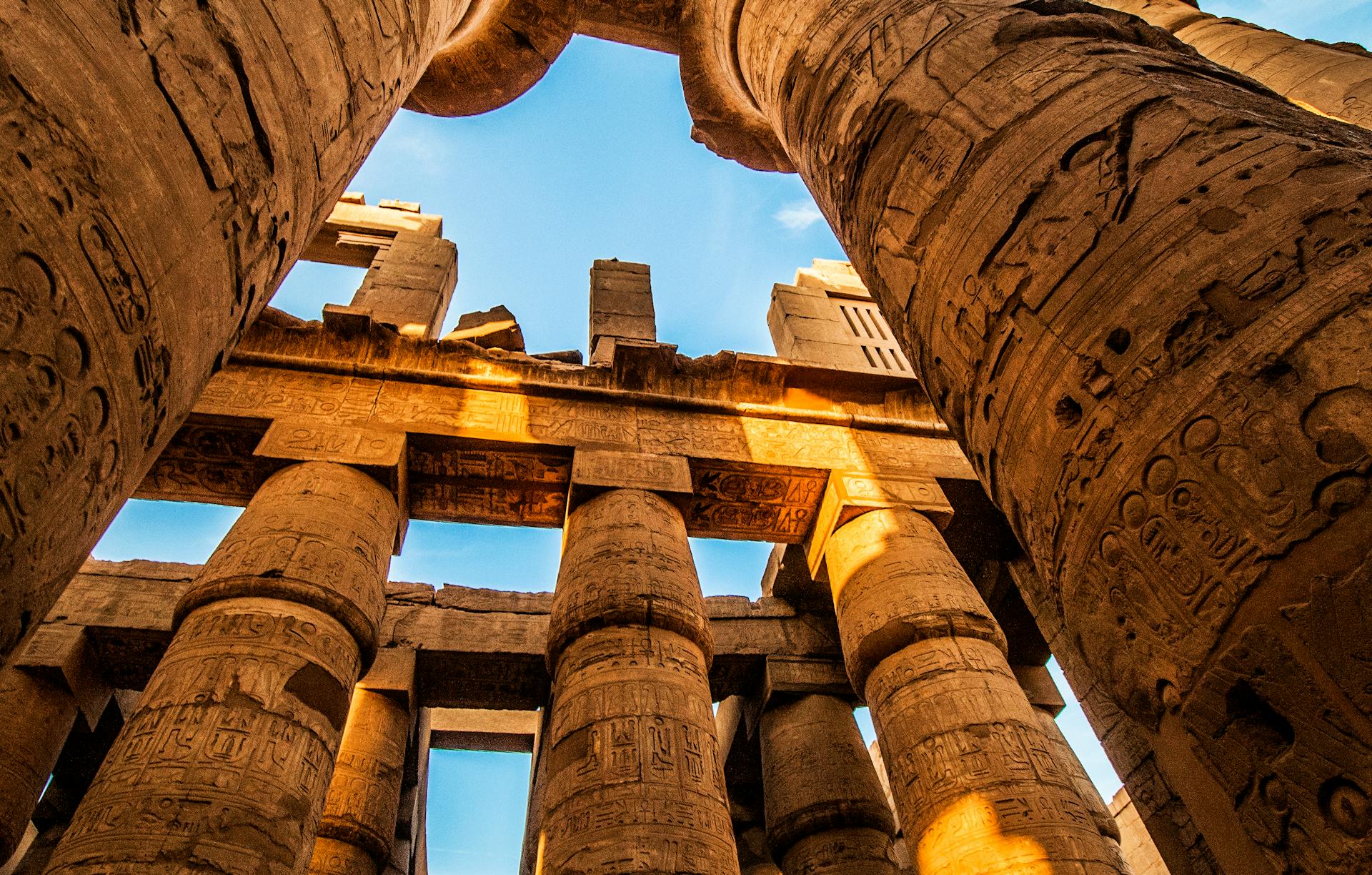
Built over 2,000 years by dozens of pharaohs, Karnak is not just a single temple. It is a sacred city within a city. Wander through the Hypostyle Hall, where 134 towering columns rise like papyrus stalks made of stone. Every carving tells a story of kings, gods, and the golden age of Egypt.
Why Visit at Dawn
Arrive just after sunrise, when the light is soft and golden. The early hour is peaceful, and tour groups have not yet arrived. In that quiet glow, it is easy to imagine ancient priests walking these same halls thousands of years ago, preparing offerings for Amun-Ra.
Practical Tips
- Opening Hours: 6:00 AM to 5:00 PM (daily)
- Tickets: Around 250 EGP for adults; combo passes are available with Luxor Temple
- Best Photo Spot: The center of the Hypostyle Hall. Stand between the tall columns for perfect symmetry
- Bring: Water, a hat, and light linen clothing. The sun warms up quickly, even in winter
Gohub Tip
Stay until late morning and walk along the Avenue of Sphinxes, the ancient pathway connecting Karnak Temple to Luxor Temple. It feels like stepping through a living timeline of pharaohs carved in stone. It is a calm and beautiful way to end your visit before the midday rush.
2. Explore the Valley of the Kings – Walk Among Pharaohs
No trip to Luxor is complete without stepping into the legendary Valley of the Kings, the royal burial ground of Egypt’s most powerful pharaohs. Hidden in the desert cliffs west of the Nile, this sacred valley feels like another world. It is quiet, sunlit, and filled with secrets still waiting to be uncovered.
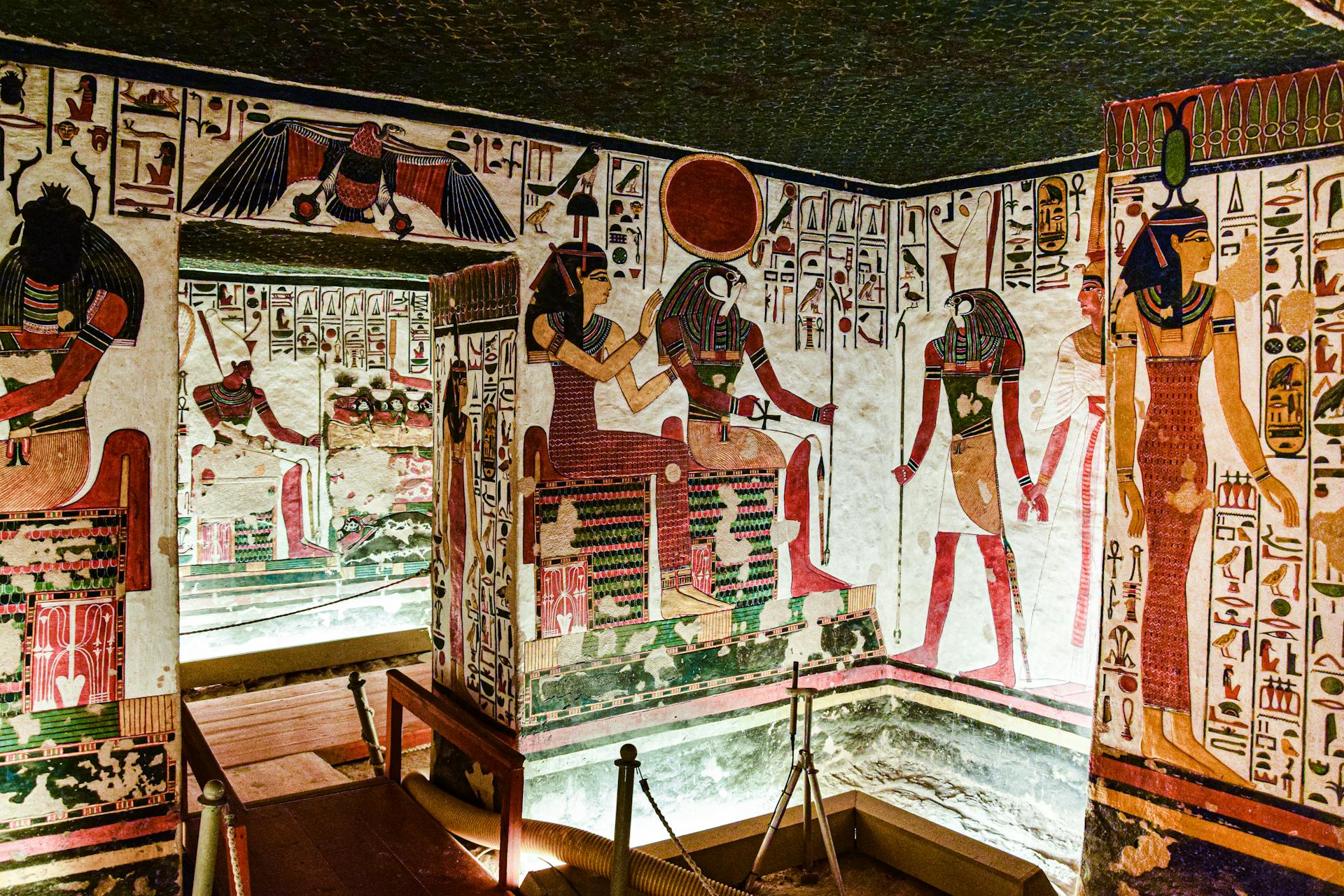
Inside these tombs, history does not just live on walls — it glows. Every surface bursts with vivid paintings from the Book of the Dead, guiding each king’s soul to the afterlife. As you stand before the carvings and colors, it is impossible not to feel amazed by the detail and devotion that honored Egypt’s rulers.
Tombs You Should Not Miss
- Tomb of Ramses V and VI: A masterpiece of symmetry and color. The ceilings shimmer like cosmic art.
- Tomb of Tutankhamun: Smaller than expected, but world-famous for the treasures that changed archaeology forever.
- Tomb of Seti I: The deepest and most elaborate tomb, with vibrant scenes that still look fresh after 3,000 years.
Visitor Info
- Opening Hours: 6:00 AM to 5:00 PM (daily)
- Tickets: The standard ticket includes three tombs of your choice. Premium tombs, such as Seti I or Tutankhamun, require separate tickets.
- Getting There: About 30 minutes by car from central Luxor. You can also combine your visit with Hatshepsut Temple and the Colossi of Memnon on a West Bank tour.
Gohub Tip
Go early, between 7:00 AM and 9:00 AM, to explore before the heat and tour groups arrive. Carry a reusable water bottle and bring small cash for optional photography tickets.
If you’re visiting Luxor solo, don’t miss our essential solo travel tips for Africa for smart, safe adventures.
Pro Insight: If you visit in November or December, the cooler weather makes exploring more comfortable, and the sunlight is perfect for desert photography.
3. Discover Hatshepsut’s Temple at Deir el-Bahari – The Queen Who Defied Time
Tucked against dramatic limestone cliffs on Luxor’s West Bank stands one of Egypt’s most breathtaking landmarks, the Mortuary Temple of Hatshepsut. This site is more than beautiful architecture. It tells the story of Egypt’s most remarkable woman, a pharaoh who ruled with intelligence, grace, and bold ambition.
Built more than 3,400 years ago, Hatshepsut’s Temple rises in three terraces connected by sweeping ramps that glow in the morning light. At sunrise, the cliffs behind the temple shimmer rose gold, creating a view that leaves most travelers speechless.
Why It Is Special
Hatshepsut was not content to stand behind the throne. She declared herself Pharaoh, wore royal regalia, and ruled Egypt for over two decades. Her temple celebrates not only her reign but also the divine right of women to lead. That message still feels empowering today.
Walk through the Colonnade of Deir el-Bahari, admire the carvings of her expedition to the mysterious Land of Punt, and take in panoramic desert views from the upper terrace.
Visitor Info
- Opening Hours: 6:00 AM to 5:00 PM (daily)
- Tickets: Around 200 EGP; included in some West Bank combo passes
- Getting There: About 10 minutes from the Valley of the Kings by car or tour van
Gohub Tip
Arrive early, around 7:00 AM, to see the golden light on the cliffs and avoid the midday heat. Pair this stop with a visit to the Colossi of Memnon nearby for a perfect half-day on the West Bank.
Traveler’s Moment: Standing at the base of Hatshepsut’s Temple, looking up at its terraces framed by desert cliffs, you will understand why it is often called the most elegant structure in all of ancient Egypt.
4. Sunrise Hot Air Balloon Over Luxor – Watch History Wake Up
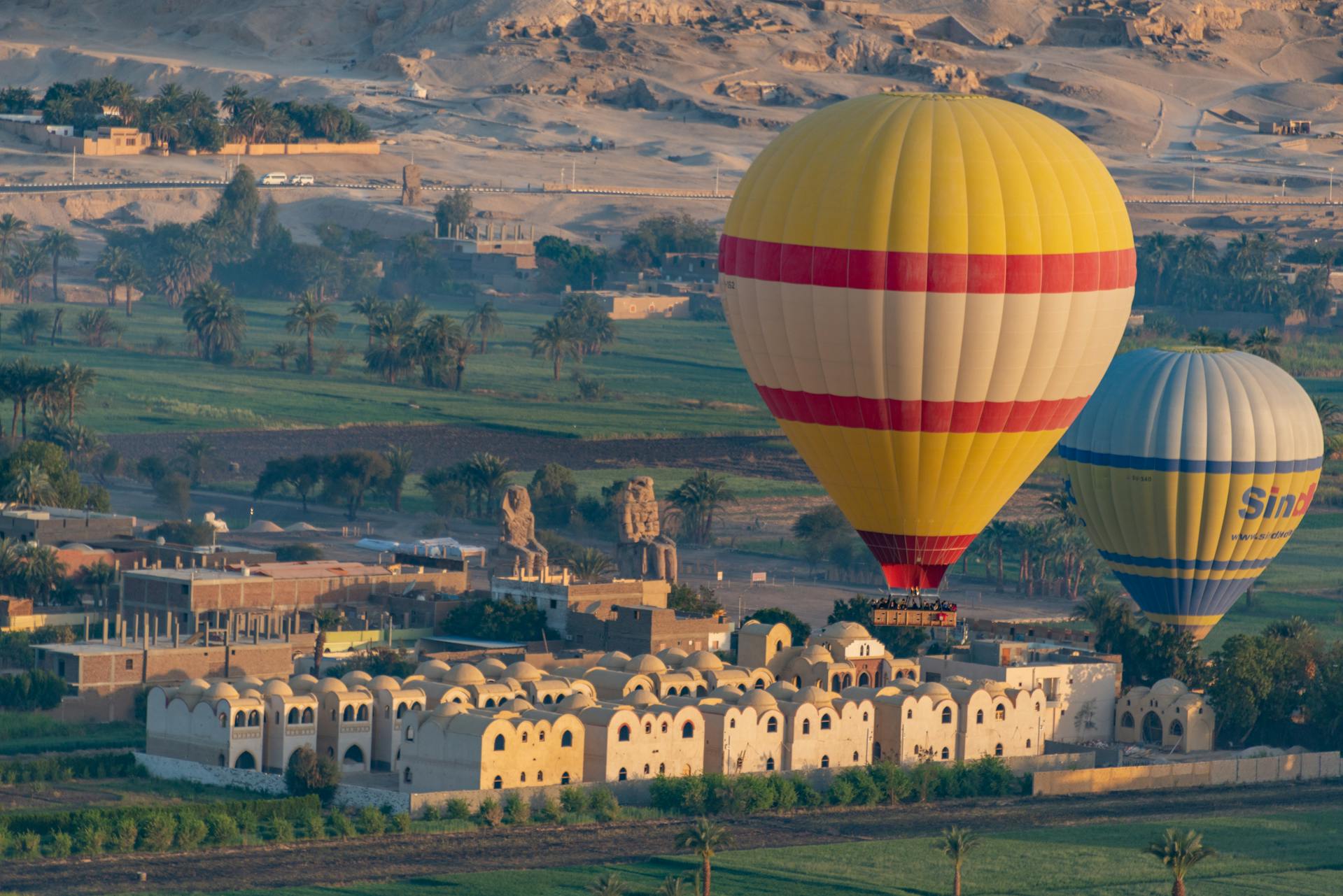
Imagine floating quietly above the Nile Valley as the first rays of sunlight spill across ancient temples and golden desert. That is what a hot air balloon ride in Luxor feels like — pure magic. It is one of the most unforgettable things to do in Luxor, and there is no better way to start your day in Egypt.
As dawn breaks, balloons rise from the West Bank and drift above the Valley of the Kings, Hatshepsut’s Temple, and the green fields that line the Nile. The higher you float, the more surreal it becomes. Temples shrink into miniature masterpieces, the Nile glows below, and the sky fills with soft shades of orange and pink.
What to Expect
- Departure: Around 4:30 to 5:00 AM (hotel pickup included)
- Flight Duration: 45 to 60 minutes
- Views: Valley of the Kings, Deir el-Bahari, Colossi of Memnon, the Nile, and the Luxor skyline
- Landing: Smooth and well-guided; local crews are skilled and friendly
Safety and Tips
- Always choose licensed operators and check recent reviews and insurance coverage.
- Flights may be rescheduled if the wind is too strong, as safety is the top priority.
- Wear warm layers in winter since it can be chilly before sunrise but warms quickly afterward.
- Bring a camera strap — you will be too amazed by the view to hold your camera steady.
Gohub Tip
Book your balloon ride for your first morning in Luxor. If weather causes a cancellation, you will still have time to reschedule before leaving.
Why We Love It
There is a quiet moment during the flight when everything below seems still — the Nile winding through the sand, farmers beginning their day, and temples glowing in the morning light. That single moment captures Egypt at its most peaceful and powerful.
5. Experience Luxor Temple by Night – Where History Glows Under the Stars
If you think Luxor is beautiful by day, wait until you see it after dark. When the sun sets and the lights come on, Luxor Temple transforms into one of Egypt’s most magical sights. The towering statues, ancient columns, and hieroglyph-covered walls glow with soft golden light that feels timeless.
Built more than 3,400 years ago and dedicated to the rejuvenation of kingship, Luxor Temple was once connected to Karnak Temple by the Avenue of Sphinxes. Standing here at night, with faint city sounds in the background and soft music floating through the air, you will feel as if time has paused. The ancient and modern worlds blend perfectly in this moment.
Why Visit at Night
- The temple is beautifully illuminated, revealing details hidden during the day.
- After sunset, crowds fade away, creating a calm atmosphere perfect for reflection and photography.
- The play of light and shadow adds depth and mystery to every carving, giving you an entirely different experience from daytime visits.
Visitor Info
- Opening Hours: Usually open until 9:00 PM or 10:00 PM (check locally for seasonal changes).
- Tickets: Around 180 EGP per adult.
- Getting There: Located in the heart of Luxor city, just off the Corniche. It is easy to reach on foot or by taxi.
🧭 Gohub Tip
Arrive just before sunset to enjoy the golden hour, then stay until the lights fully illuminate the temple. If you visited Karnak Temple earlier in the day, walk part of the Avenue of Sphinxes at dusk to reach Luxor Temple. It feels like pure magic.
Traveler’s Moment
There is a stillness inside Luxor Temple at night that words can hardly capture. The quiet light, the carved walls, and the faint hum of the city create a moment that feels sacred. It is not only one of the top things to do in Luxor, but a reminder that Egypt’s history never truly sleeps — it glows.
6. Walk the Avenue of Sphinxes – A Sacred Path Between Two Worlds
Stretching for nearly three kilometers between Karnak Temple and Luxor Temple, the Avenue of Sphinxes is one of Egypt’s most awe-inspiring archaeological sites. Walking this path feels like traveling through time. It is easily one of the most unforgettable things to do in Luxor.
For centuries, this grand boulevard was buried under sand and city streets. Excavations have now revealed its full length, lined with hundreds of sphinx statues that once guided priests and pharaohs during sacred festivals. Each step you take brings you closer to the rhythm of ancient Egypt.
A Stroll Through Time
Picture this: more than 3,000 years ago, the avenue was lit with torches as priests carried sacred statues from Karnak Temple to Luxor Temple during the Opet Festival. Standing here today, especially near sunset, it is easy to imagine the music, color, and energy that filled this sacred road.
Traveler Notes
- Distance: About 2.7 kilometers (1.7 miles) between temples
- Best Starting Point: Begin at Luxor Temple and walk north. It is slightly shaded and less crowded.
- Entry: Included with either Karnak or Luxor Temple tickets. Access may vary by section.
- When to Go: Visit early in the morning or late in the afternoon to avoid heat and enjoy soft light.
Gohub Tip
Wear comfortable shoes since the walkway can get hot. Bring water and plan your visit after exploring Karnak Temple or before your evening stop at Luxor Temple for a perfect combination experience.
Why We Love It
The Avenue of Sphinxes is more than a walkway. It is a living timeline. Every step connects you to thousands of years of art, faith, and celebration. This is history you do not just read about — you walk through it.
7. Uncover Deir el-Medina and Medinet Habu – The Artisans and the Warrior King
Most travelers hurry to the grand tombs of pharaohs, but few take time to visit the places where the artisans themselves lived. That is what makes Deir el-Medina and Medinet Habu so special. Together, they tell the story of daily life and divine craftsmanship in ancient Egypt.
Deir el-Medina – The Village of Artisans
Tucked between desert hills, Deir el-Medina was home to the skilled workers and painters who created the masterpieces inside the Valley of the Kings. Their own tombs are smaller but incredibly detailed. These hidden gems burst with color, humor, and scenes from daily life. You will see families, music, festivals, and even the artisans enjoying wine together.
Walking through the ruins of their stone homes feels personal and human. You are literally standing where Egypt’s master artists once lived, laughed, and painted eternity for their kings.
Gohub Tip
Do not skip the tombs of Sennedjem and Inherkhau. They are beautifully preserved and far less crowded than the royal ones.
Medinet Habu – The Temple of Ramses III
A short drive away, Medinet Habu is one of Luxor’s most underrated sites. Built by Pharaoh Ramses III, this massive temple complex is known for its vivid battle scenes carved deep into the walls. Many still show traces of the original paint after more than 3,000 years.
Here, you can see images of soldiers, chariots, and ships — a stone record of Egypt’s wars and triumphs. Despite its power and size, the temple feels calm and peaceful. Palm trees and wide courtyards surround it, catching the golden desert light in the afternoon.
Traveler Notes
- Location: West Bank, about 10 minutes from the Valley of the Kings
- Tickets: Around 100 EGP for each site; combo passes may be available
- Best Time to Visit: Late morning for Deir el-Medina and around 3:00 PM for Medinet Habu, when the light hits the reliefs perfectly
Gohub Tip
Hire a local guide for Medinet Habu. They can point out details that most visitors miss, from royal rituals to graffiti left by the workers themselves. You will leave with stories as vivid as the carvings on the walls.
8. Visit the Luxor Museum and Mummification Museum – Egypt’s Treasures Up Close
After exploring temples and tombs, step inside where Egypt keeps its secrets safe: the Luxor Museum and the Mummification Museum. These two cultural gems are smaller than Cairo’s museums, but they deliver a powerful experience. Both are peaceful, beautifully curated, and perfect for travelers who want to see Egypt’s treasures up close.
Luxor Museum – Elegance in Every Artifact
Overlooking the Nile, the Luxor Museum is calm, bright, and thoughtfully designed. You can explore it easily in under two hours. Each piece is given space to shine, making the experience both relaxing and inspiring.
Highlights include:
- Statues of Amenhotep III and Ramses II, so lifelike they seem ready to move.
- Royal Mummies from the New Kingdom, preserved in soft, golden light.
- Weapons, jewelry, and tools discovered in Theban tombs, each labeled in clear English and Arabic.
Gohub Tip
Visit at sunset. The museum’s windows overlook the Nile, and the warm glow outside gives the exhibits an unforgettable backdrop.
🏺 Mummification Museum – Where Science Meets Spirituality
Just a short walk along the Corniche from the Luxor Museum, this smaller but fascinating museum is dedicated to the art of mummification. Inside, you will see how ancient Egyptians prepared humans and animals for the afterlife, using tools, jars, and sacred rituals.
The museum is small, with only a few rooms, but it leaves a deep impression. Every exhibit connects you to the beliefs that shaped Egypt’s timeless view of life and death.
Visitor Notes
- Location: Corniche El Nil Street, East Bank of Luxor
- Opening Hours: 9:00 AM to 9:00 PM
- Tickets: Around 200 EGP for the Luxor Museum and about 160 EGP for the Mummification Museum
- Time Needed: Around 1.5 to 2 hours total if you visit both
💡 Gohub Tip
End your visit with a quiet evening stroll along the Corniche. Watch feluccas glide by, sip mint tea, and see why Luxor at dusk feels timeless.
9. Sunset Felucca on the Nile – Drift Through Egypt’s Golden Hour
Some moments in Egypt feel timeless, and a sunset felucca ride on the Nile is one of them. As the sails rise and the breeze begins to flow, you glide silently across the water while the sky turns into a blend of pink, orange, and gold. It is simple, peaceful, and easily one of the most magical things to do in Luxor.
Feluccas are traditional wooden sailboats that have been part of Egyptian life for centuries. There is no motor, only the sound of the wind and the gentle ripple of water against the hull. Locals often sail at dusk, and joining them feels more like sharing a piece of tradition than taking a tour.

What to Expect
- Departure: Late afternoon, around 4:30 PM, for the perfect sunset view
- Duration: Between 45 and 90 minutes, depending on the wind
- Route: Sail along the East and West Banks, passing Luxor Temple, small banana islands, and peaceful rural villages
- Cost: Around 200 to 300 EGP per person for a private boat (prices may vary by season)
Gohub Tip
Go just before sunset when the air is cool and the light turns golden. Bring a light scarf or jacket, as the breeze can feel crisp after the sun goes down. The Nile becomes mirror-smooth, and the view feels like a dream.
Why It Is Worth It
From your seat on the felucca, you will watch everyday life unfold. Fishermen cast their nets, children wave from the shore, and temples glow in the distance. It is a quiet reminder that Egypt’s rhythm has remained the same for thousands of years.
Traveler’s Moment
When the boatman tilts the sail and the city lights begin to shimmer on the water, everything slows down. The world feels both ancient and new. That is the Nile effect — and in Luxor, it feels pure and unforgettable.
10. Shop and Snack at Luxor Souk – The Heartbeat of the City
No trip to Luxor is complete without getting delightfully lost in its souk — a maze of colors, scents, and smiles that captures the essence of Egyptian life. Whether you come for souvenirs, snacks, or simply to feel the city’s rhythm, exploring the Luxor Souk is one of the most authentic things to do in Luxor.
The air is filled with the fragrance of cinnamon, coffee, and sandalwood. Stalls overflow with handwoven scarves, alabaster lanterns, and bottles of fragrant oils. Friendly merchants call out warm greetings, offering you mint tea or inviting you to browse their latest treasures. Every step feels alive with charm and conversation.
What to Buy
- Spices: Cardamom, saffron, and Egyptian hibiscus (karkade) make perfect gifts or ingredients for home cooking.
- Textiles: Lightweight cotton galabeyas (traditional robes) and colorful scarves.
- Crafts: Hand-carved stone scarabs, brass lamps, and papyrus artwork.
- Snacks: Try roasted nuts, dates, or local pastries from street-side stalls.
How to Shop Like a Local
- Bargain Kindly: Haggling is expected, but always keep it friendly. It is part of the fun.
- Carry Small Bills: Many vendors do not have change for large notes.
- Ask Before Taking Photos: Most merchants are happy to pose if you ask politely.
- Go in the Evening: The souk comes alive around sunset when the air cools and lights shimmer across the stalls.
For first-timers, Lonely Planet’s tips on Egyptian etiquette can help you navigate the souk with confidence and respect.
Gohub Tip
Avoid the tourist-heavy entrances and start from the local market side near Station Street. You will find better prices, more genuine crafts, and delicious street snacks along the way.
Why We Love It
The Luxor Souk is more than a market — it is a window into daily Egyptian life. Here, you can meet locals eager to share stories, learn a few Arabic phrases, and experience the warmth that defines this city. You will leave with more than souvenirs. You will take home memories wrapped in color, scent, and laughter.
11. Practical Travel Tips for Visiting Luxor
Luxor is a dream destination for history lovers — but a few smart travel tips can make your trip smoother, safer, and even more enjoyable. Here’s a quick reference table to guide you from arrival to your last sunset on the Nile.
| Category | Details & Gohub Tips |
| Getting There & Around | Flights: Luxor International Airport (LXR) connects easily to Cairo, Aswan, and major cities. Train: The overnight Cairo–Luxor sleeper train is scenic and budget-friendly. Transport in Luxor: Use taxis, Careem app, or horse carriages. For the West Bank, book a private car or guided tour. Gohub Tip: Want more local routes and official recommendations? Browse the Egypt Tourism Board’s Luxor page for updated maps and travel info. |
| Best Time to Visit | October–April offers pleasant weather for temple hopping and balloon rides.November–December = fewer crowds and soft golden light for photos. Bring a hat and sunscreen even in winter — the desert sun can still burn. |
| Connectivity | Wi-Fi is common in hotels and cafés, but coverage can drop outside the city. Gohub Tip: Get a Gohub eSIM for Egypt — instant activation, no physical SIM, and 24/7 support. |
| Money & Payments | Currency: Egyptian Pound (EGP). ATMs: Available around Luxor Temple, Corniche, and major hotels. Cards: Accepted in hotels/restaurants; cash preferred in markets. Tip: Carry small notes (10s, 20s, 50s) for tips and taxis. |
| Dress & Etiquette | Lightweight cotton or linen clothing is best. Women: Bring a scarf for religious sites. Men: Shorts are fine for tourists, but long pants are more respectful. Wear comfortable walking shoes — temple floors can be uneven. |
| Health & Safety | Luxor is very safe for tourists with visible security at all major sites.Stick to lit streets at night, stay hydrated, and use sunscreen. Gohub Tip: A friendly “la, shukran” (no, thank you) works perfectly with street vendors. |
| Bonus Travel Essentials | • Reusable water bottle • Power adapter (Type C or F plug) • Sunglasses & sunscreen • Lightweight day bag for temples • Offline Google Maps download |
12. Luxor Awaits – Where Every Sunrise Tells a Story
From the golden temples of the East Bank to the quiet tombs in the desert hills, Luxor is more than a destination. It is a journey through time. Every corner hums with history, every sunrise feels like a rebirth of the ancient world, and every smile from a local reminds you that Egypt’s greatest treasure is not carved in stone. It lives in its people.
Whether you are floating above the Nile in a hot air balloon, tracing hieroglyphs by lantern light, or sipping mint tea in the market, Luxor has a way of slowing you down. It invites you to listen, feel, and connect.
At Gohub, we believe travel should be effortless and full of wonder. We help travelers stay connected, informed, and inspired wherever their journeys lead. When you are ready to explore the heart of ancient Egypt, start your adventure the smart way with a Gohub eSIM in your pocket and the spirit of discovery in your heart.
Gohub Tip
Luxor does not just show you history. It lets you walk through it. Pack light, stay curious, and let Egypt’s open-air museum write a story you will never forget.
Ready to explore Luxor like a local — with ancient wonders at your feet and no Wi-Fi worries in sight?
Stay connected from the moment you land with a Gohub eSIM for Egypt. It’s fast, affordable, and activated in just a few taps — no queues, no roaming fees, just pure adventure.
📱 Your next great story deserves great signal
13. Quick FAQs – Visiting Luxor, Egypt
1. What should I not miss in Luxor?
Karnak Temple, Valley of the Kings, Hatshepsut’s Temple, Luxor Temple (at night), Avenue of Sphinxes, hot air balloon ride, and a sunset felucca cruise.
2. Is Luxor safe in 2025?
Yes — it’s one of Egypt’s safest cities for tourists. Just follow normal travel precautions.
3. Best time to go?
October–April. Cooler weather, fewer crowds, golden light = perfect for temples & photos.
4. How long should I stay?
2–4 days is ideal to cover both East and West Banks, plus some downtime on the Nile.
5. Do I need a guide?
Highly recommended! Guides add depth at major sites like Karnak and the tombs.
6. Can I use my phone there?
Yes, but for reliable data, use a Gohub eSIM for Egypt — fast, easy, no roaming fees.
7. What should I wear?
Light, breathable clothes. Hat, sunscreen, comfy shoes. A scarf for women at religious sites.
8. How do I get around?
Taxis, Careem app, or private tours. Ferries to West Bank. Walking is great along the Corniche.
Related articles:
Is It Safe to Travel to Egypt in 2025? – Real tips & traveler reviews
What Is an eSIM? – How it works & why it’s better than roaming