





Planning an epic trip across Asia? Don’t skip China—it’s one of the best places to visit for travelers craving a mix of ancient history, futuristic cities, and jaw-dropping landscapes. From the Great Wall to Shanghai’s skyline, panda sanctuaries to desert dunes, this country truly has everything.
With so much to see across such a vast territory, choosing where to go (and how to stay connected) can feel overwhelming. That’s where this guide comes in. Below, we’ve curated the best places to visit in China, complete with insider tips, regional highlights, and smart travel hacks—so you can plan confidently and explore deeper.
Whether you’re chasing dragons in ancient cities or catching bullet trains to remote mountain temples, this is your ultimate China bucket list for 2026.
Best Places to Visit in China: Quick Overview
| Destination | Best For | Suggested Stay | Best Time to Visit |
|---|---|---|---|
| Beijing | History, Great Wall, imperial landmarks | 3–4 days | Spring, autumn |
| Shanghai | Skyline, shopping, food, nightlife | 2–3 days | Spring, autumn |
| Xi’an | Terracotta Warriors, ancient history | 2–3 days | Spring, autumn |
| Chengdu | Pandas, Sichuan food, teahouse culture | 2–3 days | Spring, autumn |
| Guilin & Yangshuo | Karst mountains, river cruises, cycling | 3–4 days | Spring, autumn |
| Zhangjiajie | Mountains, hiking, photography | 3–4 days | Spring, autumn |
| Yunnan | Old towns, rice terraces, ethnic culture | 5–7 days | Spring, autumn |
| Harbin | Ice festival, winter scenery | 2–3 days | Winter |
| Suzhou | Classical gardens, canals, culture | 1–2 days | Spring, autumn |
| Hangzhou | West Lake, tea culture, Shanghai add-on | 1–2 days | Spring, autumn |
1. Beijing: Best for History and the Great Wall
Beijing is one of the best places to visit in China if you want to experience imperial history, ancient architecture, and the Great Wall in one trip. As China’s capital, the city brings together ancient palaces, traditional temples, wide public squares, modern transport, and some of the country’s most important cultural landmarks.
For first-time visitors, Beijing is the best place to start a China itinerary. It gives you a strong introduction to the country’s history while still offering the convenience of a major international city.
Best Things to Do in Beijing
- Visit the Forbidden City: Explore one of China’s most famous historical landmarks and the former imperial palace of Ming and Qing dynasty emperors.
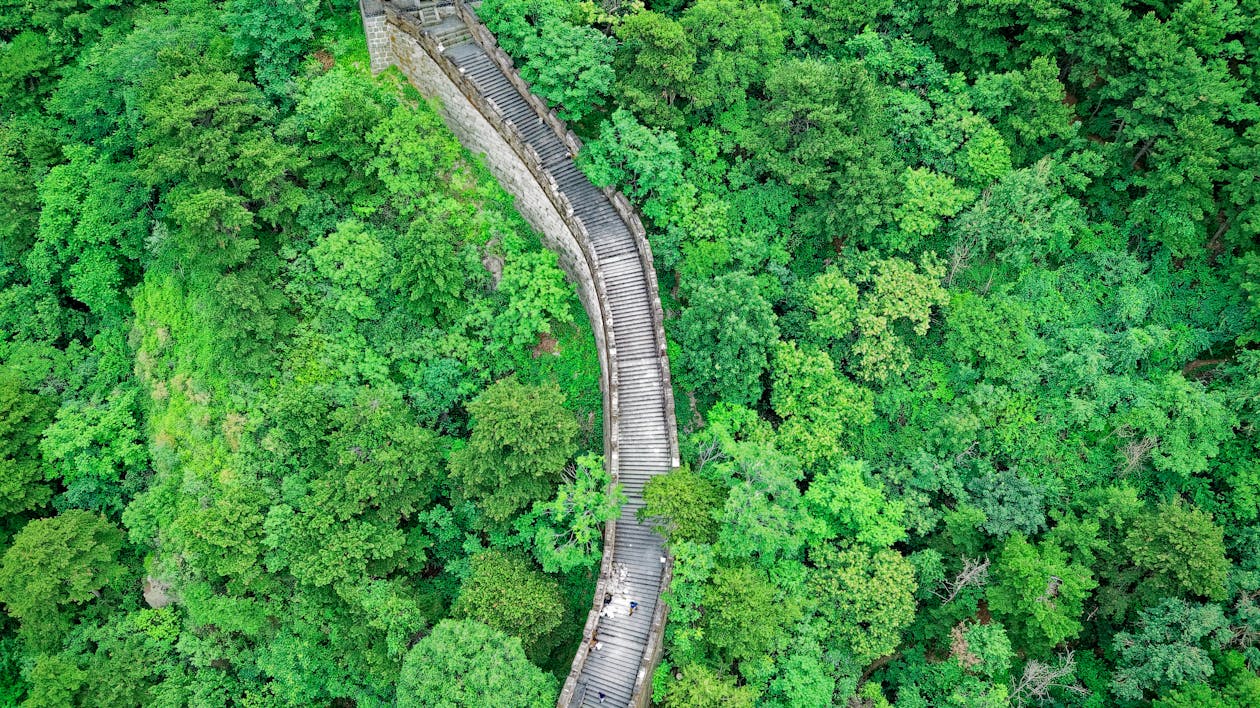
- Walk the Great Wall at Mutianyu: This section is less crowded than Badaling and offers beautiful mountain views, restored walkways, and cable car access.
- Explore the Temple of Heaven: Visit the peaceful temple complex where emperors once prayed for good harvests.
- Stroll through the Summer Palace: Spend a few hours around Kunming Lake, traditional gardens, bridges, and imperial pavilions.
- See Tiananmen Square: Stop by one of the world’s largest public squares, surrounded by museums, monuments, and historic government buildings.
Suggested Stay
Plan to spend 3–4 days in Beijing. This gives you enough time to visit the Forbidden City, the Great Wall, the Temple of Heaven, the Summer Palace, and a few local neighborhoods without rushing.
Best Time to Visit Beijing
The best time to visit Beijing is spring or autumn, when the weather is more comfortable for walking, sightseeing, and visiting the Great Wall. Summer can be hot, while winter can be very cold, especially if you plan to visit outdoor landmarks.
Travel Tip
Book major attractions in advance, especially the Forbidden City and popular Great Wall tours. Keep mobile data ready for maps, translation apps, ride-hailing, and ticket confirmations. A travel eSIM can make arrival easier because you can get online without searching for a local SIM card at the airport.
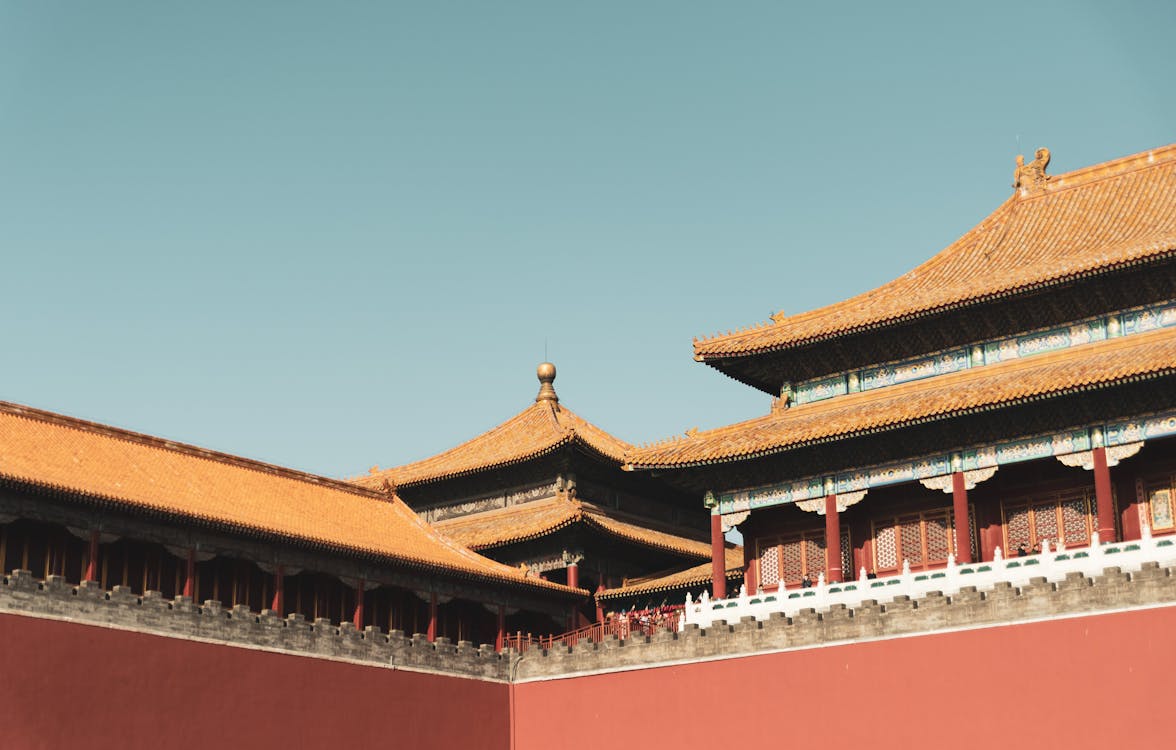
Image: Beijing’s Forbidden City with its iconic red walls and golden roofs
2. Shanghai: Best for Skyline, Shopping, and Modern China
Shanghai is one of the best places to visit in China if you want to see the country’s modern, stylish, and fast-moving side. The city blends futuristic skyscrapers, historic waterfront buildings, luxury shopping streets, creative neighborhoods, and some of the best food scenes in China.
For first-time visitors, Shanghai is a great contrast to Beijing. Beijing shows China’s imperial past, while Shanghai shows its global, modern energy.
Best Things to Do in Shanghai
- Walk along the Bund: Enjoy one of China’s most famous skyline views, with historic colonial buildings on one side and the futuristic Pudong skyline on the other.
- Visit Yu Garden: Explore a classical Chinese garden with pavilions, ponds, rockeries, and peaceful corners in the middle of the city.
- Go up Shanghai Tower: See panoramic views from one of the tallest buildings in the world and get a full sense of Shanghai’s scale.
- Shop on Nanjing Road: Walk through one of China’s busiest shopping streets, filled with malls, flagship stores, restaurants, and bright city lights.
- Explore Tianzifang or the Former French Concession: Wander through narrow lanes, cafés, boutique shops, galleries, and old residential streets with a slower local feel.
Suggested Stay
Plan to spend 2–3 days in Shanghai. This gives you enough time to see the Bund, Pudong, Yu Garden, Nanjing Road, and one or two local neighborhoods. If you want to add Suzhou or Hangzhou as a day trip, stay at least 4 days.
Best Time to Visit Shanghai
The best time to visit Shanghai is spring or autumn, when the weather is mild and comfortable for walking. Summer can be hot and humid, while winter is usually cold but still manageable for city sightseeing.
Travel Tip
Visit the Bund twice if you can: once around sunset and once at night when the skyline lights up. Shanghai is easy to explore by metro, but mobile data is still useful for maps, translation, restaurant searches, ride-hailing, and train bookings if you plan to take day trips.

Image: Shanghai skyline at night with the Oriental Pearl Tower illuminated
3. Xi’an: Best for Ancient History and the Terracotta Warriors
Xi’an is one of the best places to visit in China if you love ancient history, imperial landmarks, and Silk Road culture. Once the capital of several Chinese dynasties, Xi’an offers a deeper look at China’s past beyond the major sights in Beijing.
For first-time travelers, Xi’an is most famous for the Terracotta Warriors, but the city is also worth visiting for its ancient city wall, Buddhist pagodas, street food, and lively Muslim Quarter.
Best Things to Do in Xi’an
- See the Terracotta Warriors: Visit one of China’s most famous archaeological sites, where thousands of life-sized clay soldiers were buried to guard the tomb of Emperor Qin Shi Huang.
- Walk or bike the Ancient City Wall: Explore one of the best-preserved city walls in China and enjoy views over old and modern Xi’an.
- Visit the Muslim Quarter: Try local street food, snacks, noodles, lamb skewers, and other dishes shaped by Xi’an’s Silk Road history.
- Explore the Big Wild Goose Pagoda: Visit this important Buddhist landmark and the surrounding cultural area.
- Stop by Huaqing Palace: Discover ancient hot springs, gardens, and historical sites linked to imperial China.
Suggested Stay
Plan to spend 2–3 days in Xi’an. This is enough time to visit the Terracotta Warriors, explore the Ancient City Wall, walk through the Muslim Quarter, and see one or two major cultural landmarks.
Best Time to Visit Xi’an
The best time to visit Xi’an is spring or autumn, when the weather is pleasant for walking, cycling, and outdoor sightseeing. Summer can be hot, while winter is cold but usually less crowded.
Travel Tip
Visit the Terracotta Warriors early in the day to avoid the busiest crowds. Xi’an is easier to explore with mobile data because you’ll likely need maps, translation apps, ride-hailing, and ticket confirmations throughout the day.
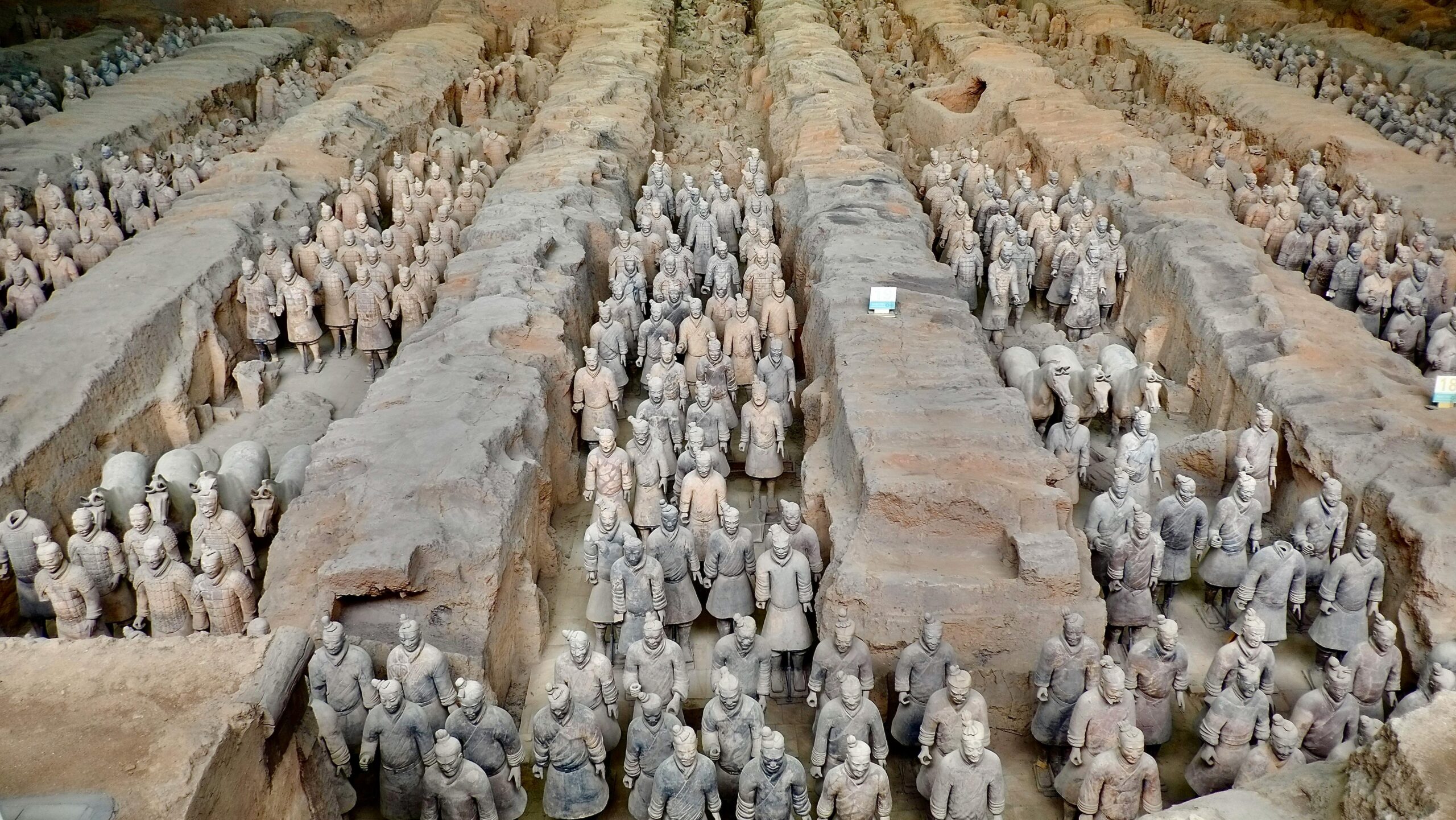
Image: Rows of terracotta warriors in formation at the Terracotta Army Museum in Xi’an
4. Chengdu: Best for Pandas and Sichuan Food
Chengdu is one of the best places to visit in China if you want a slower, more relaxed city experience with pandas, spicy food, teahouses, temples, and local street life. As the capital of Sichuan Province, Chengdu is famous for giant pandas and bold Sichuan cuisine, especially hotpot.
For first-time visitors, Chengdu is a great break from China’s faster-paced cities. It feels more laid-back than Beijing or Shanghai, but still has plenty of culture, food, and easy day trips nearby.
Best Things to Do in Chengdu
- Visit the Chengdu Research Base of Giant Panda Breeding: Go early in the morning to see pandas when they are most active before their long afternoon naps.
- Try Sichuan hotpot: Experience one of Chengdu’s most famous food traditions, known for spicy broth, dipping sauces, and a lively local atmosphere.
- Walk through Jinli Ancient Street: Explore a busy pedestrian street with lanterns, snacks, souvenirs, and traditional-style architecture.
- Relax in Kuanzhai Alley: Visit restored old lanes filled with teahouses, cafés, boutique shops, and local snacks.
- Visit Wenshu Monastery: Enjoy a peaceful Buddhist temple complex with gardens, vegetarian food, and traditional teahouse culture.
Suggested Stay
Plan to spend 2–3 days in Chengdu. This gives you enough time to see the pandas, explore the city’s food streets and temples, and enjoy a slower side of urban China. If you want to add day trips such as Leshan Giant Buddha or Mount Qingcheng, stay 4–5 days.
Best Time to Visit Chengdu
The best time to visit Chengdu is spring or autumn, when the weather is mild and comfortable for walking. Spring is especially nice if you want pleasant weather and a better chance of seeing active pandas in the morning.
Travel Tip
Visit the panda base as early as possible, ideally in the morning, because pandas are usually more active before it gets warm. Chengdu is also a food-heavy city, so save restaurant names and addresses in advance. Mobile data will help with maps, translation, ride-hailing, and finding local food spots more easily.

Image: Giant pandas eating bamboo at the Chengdu Research Base
5. Guilin and Yangshuo: Best for Karst Landscapes and River Scenery
Guilin and Yangshuo are among the best places to visit in China if you want peaceful rivers, dramatic limestone mountains, countryside cycling, and some of the country’s most iconic natural scenery. This region is famous for its karst landscapes, where misty peaks rise above rivers, rice fields, and small villages.
For first-time visitors, Guilin is usually the gateway, while Yangshuo is where the scenery feels more immersive and relaxed. Together, they make one of the most beautiful nature stops in a China itinerary.
Best Things to Do in Guilin and Yangshuo
- Take a Li River cruise: Travel from Guilin to Yangshuo by boat and enjoy some of the most famous river scenery in China.
- Go bamboo rafting on the Yulong River: Float through quiet countryside, old stone bridges, rice fields, and limestone peaks.
- Cycle through Yangshuo’s countryside: Rent a bike and ride past villages, farms, rivers, and mountain views.
- Visit Reed Flute Cave: Explore a large limestone cave with colorful lighting, rock formations, and underground chambers.
- See the Longji Rice Terraces: Take a day trip to admire terraced fields built into the mountains, especially beautiful during planting or harvest seasons.
Suggested Stay
Plan to spend 3–4 days in Guilin and Yangshuo. You can use Guilin as your arrival point, take the Li River cruise to Yangshuo, and spend the rest of your time exploring the countryside, river routes, caves, and rice terraces.
Best Time to Visit Guilin and Yangshuo
The best time to visit Guilin and Yangshuo is spring or autumn, when the weather is more comfortable for river cruises, cycling, and outdoor activities. Spring brings misty mountain views, while autumn usually has clearer skies and pleasant temperatures.
Travel Tip
Stay at least one night in Yangshuo instead of only visiting on a day trip from Guilin. The countryside feels quieter in the morning and evening, and you’ll have more time to enjoy cycling, rafting, and riverside views without rushing. Mobile data is useful here for maps, translation, transport bookings, and finding your guesthouse in rural areas.

Image: Karst mountains along the Li River with traditional bamboo rafts
🧳 Planning a multi-country trip through Asia? Explore our guide to the best places to visit in South Korea too — it pairs perfectly with a China itinerary.
Travel Tip: Want even more nature and fewer crowds? Stay a few nights in Yangshuo, just outside Guilin, where the mountains feel even closer and the vibes are extra chill.
6. Zhangjiajie: Best for Avatar-Like Mountains and Dramatic Views
Zhangjiajie is one of the best places to visit in China if you love surreal landscapes, mountain viewpoints, glass bridges, and photography. Located in Hunan Province, this area is famous for its tall sandstone pillars, misty valleys, forest trails, and scenery that feels almost unreal.
For nature lovers and adventure travelers, Zhangjiajie is one of China’s most unforgettable destinations. It is especially popular with visitors who want to see the dramatic pillar-like mountains often linked to the floating mountain scenery in Avatar.
Best Things to Do in Zhangjiajie
- Explore Zhangjiajie National Forest Park: See the famous sandstone pillars, forest trails, viewpoints, and the scenic area often associated with the “Avatar Mountains.”
- Visit Tianmen Mountain: Ride the cable car, walk along cliffside paths, and see the famous natural arch known as Tianmen Cave.
- Walk the Glass Skywalk: Try one of Zhangjiajie’s cliffside glass walkways if you want a thrilling view over the mountains.
- See Zhangjiajie Grand Canyon Glass Bridge: Visit one of the area’s most famous glass-bottom bridges for a dramatic view over the canyon.
- Take a boat ride on Baofeng Lake: Enjoy a calmer experience surrounded by green peaks, water, and mountain scenery.
Suggested Stay
Plan to spend 3–4 days in Zhangjiajie. This gives you enough time to visit Zhangjiajie National Forest Park, Tianmen Mountain, and one or two nearby attractions without rushing between long mountain routes.
Best Time to Visit Zhangjiajie
The best time to visit Zhangjiajie is spring or autumn, when the weather is more comfortable for hiking and outdoor viewpoints. Misty mornings can make the mountains look especially dramatic, but heavy rain may affect visibility, so keep your schedule flexible.
Travel Tip
Start early because major viewpoints and cable cars can get crowded. Bring comfortable walking shoes, a light rain jacket, and enough mobile data for maps, translation, attraction tickets, and transport planning. In mountain areas, signal can vary, so save important hotel and ticket details offline before you go.
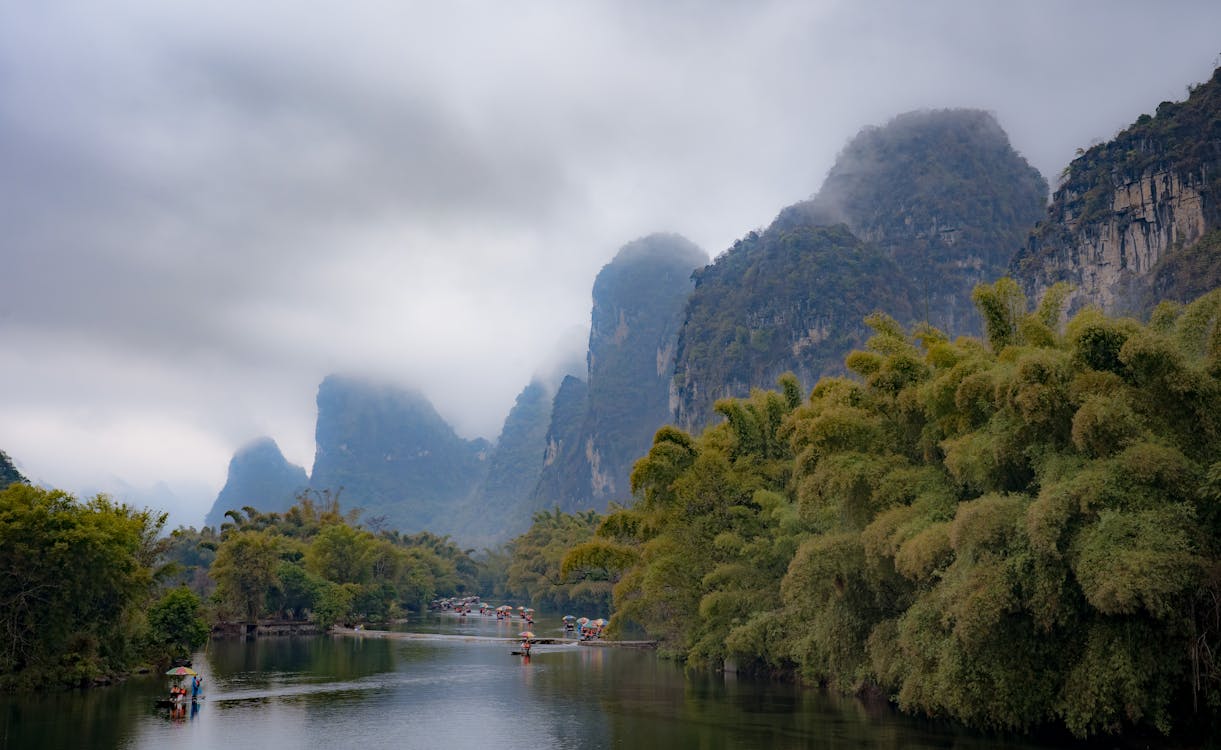
Image: Misty morning view of Yangshuo’s karst mountains and Li River
7. Yunnan: Best for Culture, Old Towns, and Mountain Scenery
Yunnan is one of the best places to visit in China if you want a mix of old towns, mountain landscapes, rice terraces, ethnic minority cultures, and slower travel. Located in southwest China, the province feels very different from Beijing, Shanghai, or Xi’an, making it a great choice for travelers who want something more scenic and culturally rich.
For first-time visitors with more time, Yunnan is perfect for extending a China itinerary beyond the classic route. You can explore ancient towns, hike through deep gorges, visit Tibetan-influenced areas, and enjoy some of the most diverse landscapes in the country.
Best Things to Do in Yunnan
- Explore Lijiang Ancient Town: Walk through cobbled lanes, canals, wooden buildings, and old bridges in one of Yunnan’s most famous historic towns.
- Visit Dali: Enjoy a relaxed lakeside town known for old streets, mountain views, cafés, temples, and Bai minority culture.
- Hike Tiger Leaping Gorge: Take on one of China’s most scenic hiking routes, with dramatic views over deep valleys and snow-capped mountains.
- See the Yuanyang Rice Terraces: Visit sunrise or sunset viewpoints to see layered rice terraces reflecting the sky.
- Travel to Shangri-La: Experience Tibetan-style monasteries, highland scenery, prayer flags, and a cooler mountain atmosphere.
Suggested Stay
Plan to spend 5–7 days in Yunnan if you want to visit Lijiang, Dali, and Shangri-La at a comfortable pace. If you want to add Tiger Leaping Gorge or Yuanyang Rice Terraces, consider staying 8–10 days.
Best Time to Visit Yunnan
The best time to visit Yunnan is spring or autumn, when the weather is generally pleasant for walking, hiking, and exploring old towns. Winter can also be beautiful in some areas, especially around rice terraces, but mountain regions may be cold.
Travel Tip
Yunnan is large, so avoid trying to see everything in one short trip. Choose one route, such as Kunming–Dali–Lijiang–Shangri-La, and build your itinerary around it. Mobile data is especially useful here for maps, translation, train bookings, local transport, and finding guesthouses in smaller towns.

Image: Towering quartzite pillars in Zhangjiajie National Forest Park

Image: Yuanyang rice terraces reflecting the sunset in Yunnan Province
8. Harbin: Best Winter Destination in China
Harbin is one of the best places to visit in China if you want snow, ice sculptures, winter scenery, and a city that feels very different from the rest of the country. Located in northeast China, Harbin is famous for its Russian-influenced architecture, frozen landscapes, and the spectacular Harbin Ice and Snow Festival.
For travelers visiting China in winter, Harbin is a standout destination. It is cold, dramatic, and atmospheric, with glowing ice castles, snowy streets, and seasonal attractions that make it one of China’s most unique winter stops.
Best Things to Do in Harbin
- Visit Harbin Ice and Snow World: Walk through huge illuminated ice castles, frozen sculptures, slides, and winter displays.
- Explore Sun Island Snow Sculpture Art Expo: See large snow sculptures and detailed winter art installations.
- Walk along Central Street: Enjoy European-style buildings, Russian bakeries, local snacks, shops, and winter street scenes.
- Visit Saint Sophia Cathedral: See one of Harbin’s most famous landmarks and a reminder of the city’s Russian architectural influence.
- Experience the winter atmosphere along the Songhua River: Enjoy snowy river views, seasonal activities, and photo spots during the coldest months.
Suggested Stay
Plan to spend 2–3 days in Harbin. This gives you enough time to visit the main ice and snow attractions, explore Central Street, see Saint Sophia Cathedral, and enjoy the city’s winter atmosphere without rushing.
Best Time to Visit Harbin
The best time to visit Harbin is winter, especially from late December to February, when the ice and snow attractions are usually at their best. Temperatures can be extremely cold, so pack thermal layers, gloves, a warm hat, thick socks, and winter boots.
Travel Tip
Harbin can feel much colder than many travelers expect, especially at night. Dress in layers and keep your phone warm because batteries can drain faster in freezing weather. Mobile data is useful for maps, ride-hailing, translation, attraction tickets, and checking opening times during the winter festival season.

Image: Illuminated ice sculptures at the Harbin Ice and Snow Festival
9. Suzhou: Best for Gardens, Canals, and Slow Travel
Suzhou is one of the best places to visit in China if you want classical gardens, quiet canals, historic streets, and a slower cultural experience near Shanghai. Often called the “Venice of the East,” Suzhou is known for its elegant waterways, stone bridges, traditional architecture, and UNESCO-listed gardens.
For first-time visitors, Suzhou works especially well as a short stop or day trip from Shanghai. It gives you a softer, more traditional side of eastern China without requiring a long detour from a classic China itinerary.
Best Things to Do in Suzhou
- Visit the Humble Administrator’s Garden: Explore Suzhou’s most famous classical garden, with ponds, pavilions, bridges, and carefully designed landscapes.
- Walk along Pingjiang Road: Enjoy a historic canal-side street with old houses, cafés, snack shops, teahouses, and photo spots.
- Explore Tiger Hill: Visit one of Suzhou’s most famous scenic areas, known for its leaning pagoda, gardens, and cultural history.
- See Shantang Street: Walk through a lively riverside area with traditional buildings, small shops, food stalls, and evening lights.
- Visit Suzhou Museum: See a beautiful mix of modern design and traditional Chinese style, with exhibits on art, calligraphy, history, and local culture.
Suggested Stay
Plan to spend 1–2 days in Suzhou. A day trip from Shanghai is enough for one garden, Pingjiang Road, and a short canal walk. Stay overnight if you want to explore at a slower pace and enjoy the old streets after day-trip crowds leave.
Best Time to Visit Suzhou
The best time to visit Suzhou is spring or autumn, when the weather is pleasant for walking through gardens and canal streets. Spring is especially beautiful when flowers bloom in the classical gardens, while autumn offers cooler air and softer light for photography.
Travel Tip
If you only have one day, choose one major garden instead of trying to see them all. Suzhou is best enjoyed slowly, with time for tea, canal walks, and quiet side streets. Mobile data is helpful for train tickets, maps, translation, and finding your way between gardens, museums, and canal areas.
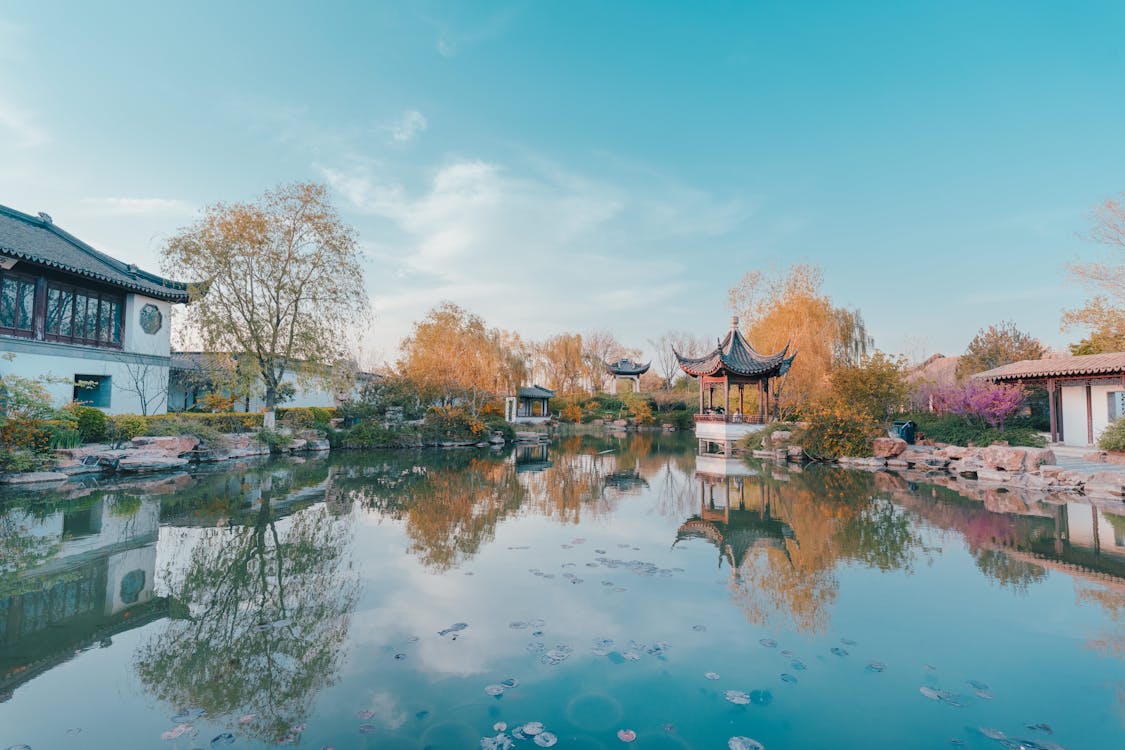
Image: Classical Chinese garden with pavilions and ponds in Suzhou
10. Hangzhou: Best Easy Add-On from Shanghai
Hangzhou is one of the best places to visit in China if you want peaceful lake scenery, tea culture, temples, gardens, and an easy side trip from Shanghai. The city is best known for West Lake, a beautiful area surrounded by bridges, pagodas, walking paths, old streets, and green hills.
For first-time visitors, Hangzhou works well as a calm final stop after Shanghai and Suzhou. It gives you a softer, more scenic side of eastern China without making your itinerary too complicated.
Best Things to Do in Hangzhou
- Walk around West Lake: Explore Hangzhou’s most famous attraction, with lake views, stone bridges, pagodas, gardens, and peaceful walking paths.
- Visit Lingyin Temple: See one of China’s most important Buddhist temples, surrounded by forested hills, carvings, and quiet courtyards.
- Explore Longjing Tea Village: Learn about Dragon Well tea, visit tea fields, and enjoy a slower countryside feel just outside the city.
- See Leifeng Pagoda: Climb or take the elevator up for views over West Lake and the surrounding area.
- Walk along Hefang Street: Visit a historic shopping street with snacks, souvenirs, teahouses, traditional medicine shops, and local food.
Suggested Stay
Plan to spend 1–2 days in Hangzhou. One day is enough to see West Lake and one or two nearby attractions. Stay overnight if you want to visit Lingyin Temple, Longjing Tea Village, and enjoy the lake at a slower pace.
Best Time to Visit Hangzhou
The best time to visit Hangzhou is spring or autumn, when the weather is mild and the lake area is more pleasant for walking. Spring is especially popular for flowers and tea fields, while autumn offers cooler air and beautiful lake views.
Travel Tip
Hangzhou is easy to reach by high-speed train from Shanghai, making it a great add-on for travelers exploring eastern China. If you’re short on time, focus on West Lake, Lingyin Temple, and Longjing Tea Village instead of trying to cover too many attractions in one day. Mobile data is useful for train tickets, maps, translation, ride-hailing, and finding your way around the lake area.
Best Time to Visit China
The best time to visit China depends on where you want to go, because the country is huge and the weather can change a lot from one region to another. In general, spring and autumn are the best seasons to visit China for first-time travelers. The weather is usually more comfortable, skies are clearer in many regions, and walking around cities, gardens, mountains, and old towns feels much easier.
Spring: March to May
Spring is one of the best times to visit China if you want mild weather, blooming flowers, and comfortable sightseeing conditions.
This is a great season for:
- Beijing and the Great Wall
- Shanghai and Hangzhou
- Suzhou’s classical gardens
- Guilin and Yangshuo
- Chengdu and Yunnan
Spring is especially good for travelers who want a mix of cities and nature. However, some popular attractions can still get busy, so book major tickets and hotels in advance when possible.
Summer: June to August
Summer can be hot and humid in many parts of China, especially in cities like Shanghai, Suzhou, Hangzhou, Guilin, and Chengdu. It is still a good time to visit higher-altitude areas or mountain regions, but you should prepare for heat, rain, and occasional travel delays.
Summer can work well for:
- Yunnan’s mountain areas
- Western China
- High-altitude scenic regions
- Family trips during school holidays
If you visit China in summer, pack light clothing, rain gear, sunscreen, and a portable fan. Try to start sightseeing early in the morning and avoid long outdoor walks during the hottest part of the day.
Autumn: September to November
Autumn is often the best overall season to visit China. The weather is cooler, the skies are often clearer, and many landscapes look especially beautiful with autumn colors.
This is a great season for:
- Beijing and the Great Wall
- Xi’an
- Zhangjiajie
- Guilin and Yangshuo
- Yunnan
- Shanghai, Suzhou, and Hangzhou
For first-time visitors, autumn is one of the easiest seasons to plan a China itinerary because it works well for both cities and nature destinations.
Winter: December to February
Winter is cold in northern China, but it can still be a rewarding time to visit if you plan around the right destinations. Harbin is the biggest winter highlight, thanks to its ice and snow attractions. Beijing can also be beautiful in winter, especially if you want fewer crowds at major landmarks.
Winter is best for:
- Harbin
- Beijing with fewer crowds
- Snowy northern landscapes
- Southern cities if you prefer milder weather
If you visit northern China in winter, pack serious cold-weather clothing. Harbin can be extremely cold, so thermal layers, gloves, thick socks, winter boots, and a warm hat are essential.
China Travel Seasons at a Glance
| Season | Best For | Places to Consider |
|---|---|---|
| Spring | Mild weather, flowers, city sightseeing | Beijing, Shanghai, Suzhou, Hangzhou, Guilin, Chengdu |
| Summer | Mountain areas, high-altitude trips | Yunnan, western China, scenic mountain regions |
| Autumn | Clearer skies, comfortable weather, nature | Beijing, Xi’an, Zhangjiajie, Guilin, Yunnan, Shanghai |
| Winter | Ice festivals, snow, fewer crowds | Harbin, Beijing, northern China |
Travel Tip
Try to avoid major holiday periods such as Chinese New Year and Golden Week if you want fewer crowds and more stable prices. These are some of the busiest travel periods in China, and trains, flights, hotels, and major attractions can sell out quickly.

Image: Jiuzhaigou
Suggested China Itineraries
China is too large to cover in one short trip, so the best approach is to choose a route based on your travel style. For first-time visitors, it is better to focus on a few major regions instead of trying to visit too many places at once.
Below are a few practical China itinerary ideas based on different interests and trip lengths.
Classic China Itinerary: 10–14 Days
This route is best for first-time travelers who want a balanced mix of history, modern cities, food, and natural scenery.
Recommended route:
- Beijing: 3–4 days
- Xi’an: 2–3 days
- Guilin and Yangshuo: 3–4 days
- Shanghai: 2–3 days
This itinerary gives you a strong introduction to China. You can visit the Great Wall and Forbidden City in Beijing, see the Terracotta Warriors in Xi’an, enjoy river and mountain scenery in Guilin and Yangshuo, then end with Shanghai’s skyline, food, shopping, and modern city life.
If you have extra time, add Suzhou or Hangzhou as a day trip from Shanghai.
Nature and Adventure Itinerary: 14–21 Days
This route is best for travelers who care more about mountains, hiking, countryside scenery, and photography.
Recommended route:
- Zhangjiajie: 3–4 days
- Guilin and Yangshuo: 3–4 days
- Yunnan: 5–7 days
- Chengdu: 2–3 days
This itinerary focuses on China’s most beautiful landscapes. You can see the dramatic sandstone pillars of Zhangjiajie, cruise the Li River, cycle through Yangshuo’s countryside, explore old towns in Yunnan, and finish with pandas and Sichuan food in Chengdu.
If you enjoy hiking, consider adding Tiger Leaping Gorge to your Yunnan route.
Eastern China Itinerary: 7–10 Days
This route is best for travelers who want an easier trip with modern cities, gardens, canals, tea culture, and high-speed train connections.
Recommended route:
- Shanghai: 2–3 days
- Suzhou: 1–2 days
- Hangzhou: 1–2 days
- Optional Beijing add-on: 3–4 days
Shanghai, Suzhou, and Hangzhou work very well together because they are connected by high-speed trains. This route is easier to manage if you want a slower trip with less internal flying.
It is also a good option for travelers who want a soft introduction to China without covering too much distance.
Winter China Itinerary: 7–10 Days
This route is best if you are visiting China in winter and want seasonal highlights.
Recommended route:
- Beijing: 3–4 days
- Harbin: 2–3 days
- Shanghai or Chengdu: 2–3 days
Start with Beijing for history and the Great Wall, then travel to Harbin for ice sculptures, snow scenery, and winter atmosphere. After that, you can add Shanghai for a city finish or Chengdu for food, pandas, and a more relaxed pace.
How Many Days Do You Need in China?
For a first trip, 10 to 14 days is a good amount of time. This allows you to visit three or four major destinations without rushing too much.
If you only have one week, focus on one region, such as Beijing and Xi’an, or Shanghai, Suzhou, and Hangzhou.
If you have two to three weeks, you can combine cities, nature, and cultural regions, such as Beijing, Xi’an, Guilin, Zhangjiajie, Yunnan, and Shanghai.
Travel Tip
China’s high-speed rail network is excellent, especially between major cities. However, distances are still long, so check travel times before building your itinerary. Mobile data is very useful for train tickets, maps, translation, hotel addresses, and last-minute schedule changes.
Internet and eSIM Tips for Traveling in China
Staying connected in China is important for maps, translation, ride-hailing, train bookings, hotel details, and messaging. However, travelers should prepare before arrival because some international apps and websites may be restricted in mainland China.
What to Know About Internet Access in China
- Some Google services and social media apps may be restricted
- Public WiFi may require local phone verification
- Translation and navigation apps need reliable mobile data
- Coverage may vary in remote mountain areas
Best Ways to Stay Connected
- Travel eSIM: convenient for instant mobile data
- Local SIM: available but may require passport registration
- Pocket WiFi: useful for groups but less convenient for solo travelers
- Hotel WiFi: helpful but not always enough for daily travel
Gohub Tip
Set up your Gohub China eSIM before departure so you can get online after landing and use maps, translation apps, ride-hailing, and travel bookings without searching for a SIM card at the airport.

Image: Screenshot of the Gohub eSIM webpage, highlighting the destination input field with “China” selected, illustrating how users can easily search for eSIM data plans.
👉 Explore Gohub’s China eSIM plans now
💡Pro Tip: Don’t rely on public WiFi—many require local phone verification and are rarely secure.

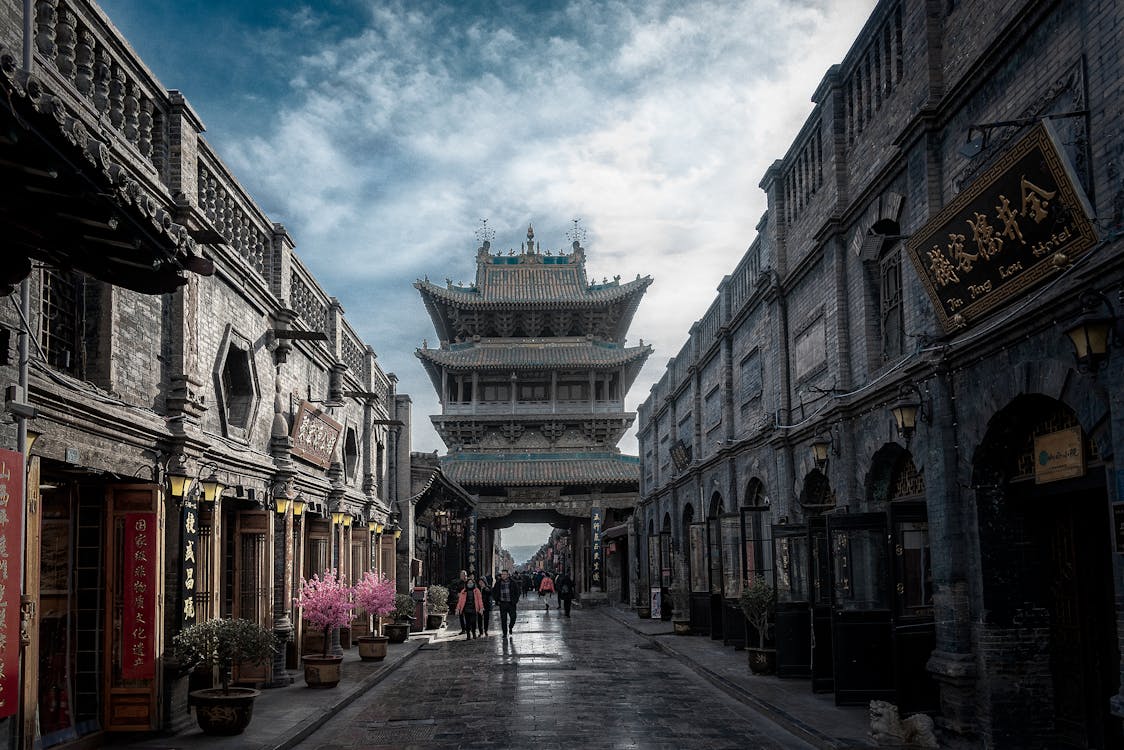
Image: Pingyao
China Travel Tips for First-Time Visitors
Traveling to China is exciting, but it can feel different from other popular travel destinations. Apps, payments, transport, language, and internet access may not work the same way you expect, so a little preparation can make your trip much smoother.
Here are the most important China travel tips to know before you go.
Check Visa and Entry Requirements Early
Many travelers need a visa before visiting mainland China, but requirements depend on your passport, travel purpose, and itinerary. Always check the latest entry rules before booking flights, especially if you plan to visit multiple destinations or enter China more than once.
Make sure your passport is valid for your trip, prepare hotel details, and keep copies of your flight bookings and accommodation confirmations. If you are transiting through China, check whether you qualify for any transit visa-free policy based on your nationality and route.
Download Important Apps Before Arrival
Some international apps and websites may not work normally in mainland China, so it is better to prepare your phone before you fly.
Useful apps to prepare include:
- Translation app
- Offline map app
- Airline app
- Hotel booking app
- Train booking app
- Ride-hailing app
- Payment apps such as Alipay or WeChat Pay
- Messaging apps you can use with your travel companions
Also save your hotel address in Chinese. This is very helpful when taking taxis, asking for directions, or checking in.
Prepare for Mobile Payments
Mobile payment is widely used across China. In many places, people pay with QR codes through Alipay or WeChat Pay instead of cash or cards.
Before your trip, check whether you can link your international card to the payment app you plan to use. It is still smart to carry some cash as backup, especially for small vendors, transport issues, or places where your card does not work.
Use High-Speed Trains for Long-Distance Travel
China’s high-speed rail network is one of the easiest ways to travel between major cities. Trains can be faster and more comfortable than flying on routes such as Beijing–Xi’an, Shanghai–Suzhou, Shanghai–Hangzhou, and other city pairs.
Book tickets in advance during busy seasons, weekends, and major holidays. Keep your passport handy because it is usually needed for train booking and station entry.
Save Addresses in Chinese
English is not widely spoken outside hotels, airports, and major tourist areas. To avoid confusion, save key addresses in Chinese before leaving your hotel.
Important details to save include:
- Hotel name and address
- Nearby metro station
- Attractions you plan to visit
- Restaurant names
- Train station names
- Emergency contact details
This simple step can save time when using taxis, ride-hailing apps, or asking locals for help.
Avoid Overpacking Your Itinerary
China is huge, and distances between destinations can be longer than they look on a map. A common mistake is trying to visit too many cities in one trip.
For a first China itinerary, choose three or four main stops instead of rushing through six or seven places. You will enjoy the trip more if you leave time for transport, meals, rest, weather changes, and unexpected discoveries.
Be Mindful of Major Holidays
Chinese New Year and Golden Week are among the busiest travel periods in China. During these times, trains, flights, hotels, and popular attractions can become crowded or sell out quickly.
If you want a smoother travel experience, avoid major national holidays when possible. If you must travel during these periods, book transport and accommodation far in advance.
Pack for Regional Weather
China’s weather varies a lot by region. Beijing and Harbin can be freezing in winter, Shanghai and Suzhou can feel humid in summer, and mountain areas like Yunnan or Zhangjiajie may require layers even when nearby cities are warm.
Before packing, check the weather for each destination on your route, not just China as a whole.
Keep Internet Access Ready
Mobile data is very useful in China for maps, translation, ride-hailing, payments, hotel bookings, train tickets, and staying in touch. Public WiFi is not always convenient and may require local phone verification.
Set up your travel internet before arrival so you can get online as soon as you land.
FAQs About the Best Places to Visit in China
What are the best places to visit in China for first-time travelers?
For a first trip, Beijing, Shanghai, Xi’an, Guilin, Chengdu, and Zhangjiajie are among the best places to visit in China. They offer a strong mix of history, modern cities, nature, food, and iconic landmarks.
How many days do you need in China?
For a first-time China itinerary, 10 to 14 days is ideal. This gives you enough time to visit Beijing, Xi’an, Guilin or Zhangjiajie, and Shanghai without rushing too much.
Is Beijing or Shanghai better for tourists?
Beijing is better for history, the Great Wall, and imperial landmarks. Shanghai is better for skyline views, shopping, food, nightlife, and easy day trips to Suzhou or Hangzhou. Many first-time visitors include both.
What is the most beautiful place in China?
Zhangjiajie, Guilin, Yangshuo, Yunnan, and Jiuzhaigou are often considered among the most beautiful places in China, especially for travelers who love mountains, rivers, rice terraces, and dramatic landscapes.
What is the best time to visit China?
Spring and autumn are usually the best seasons to visit China because the weather is milder in many regions. Winter is best for Harbin, while summer works better for high-altitude areas like parts of Yunnan and western China.
Is China easy to travel around without speaking Chinese?
China is possible to visit without speaking Chinese, especially in major cities, but preparation helps. Download translation apps, keep hotel addresses in Chinese, save offline maps, and make sure you have mobile data.
Do tourists need mobile data in China?
Yes, mobile data is very useful in China for maps, translation, ride-hailing, train bookings, hotel check-ins, payments, and messaging. A travel eSIM can make arrival easier because you do not need to search for a local SIM card.
Can I use Google, WhatsApp, Instagram, or Facebook in China?
Many international apps and websites may be restricted in mainland China. Check the latest access rules before your trip and prepare any tools you need before arrival.
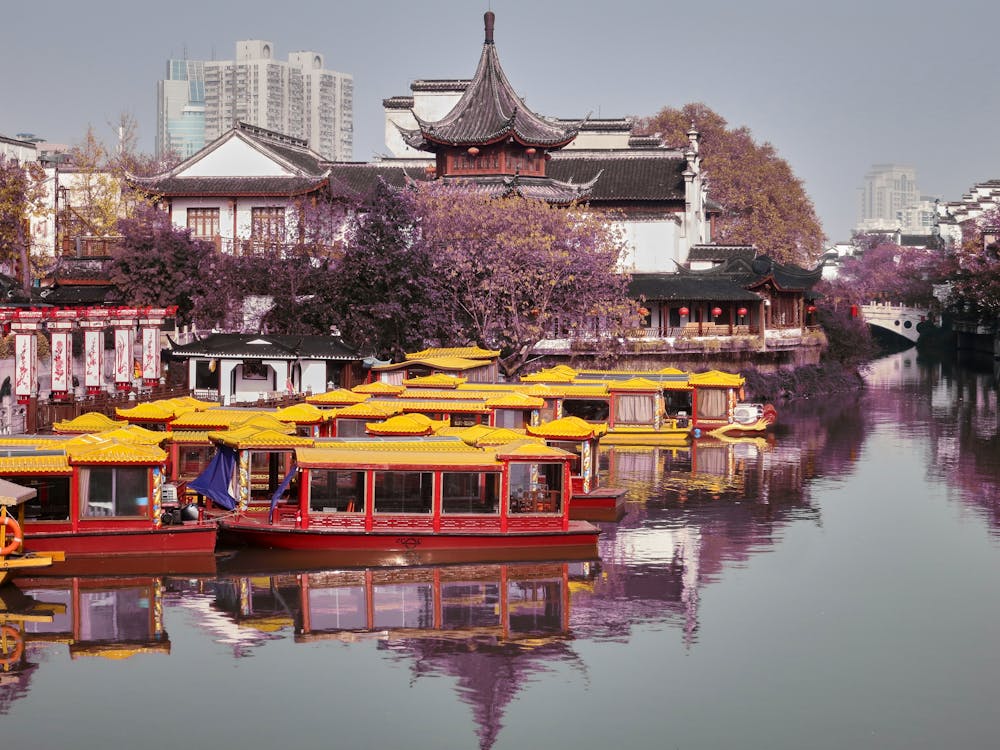
Image: Nanjing’s Qinhuai River
📶 Whether you’re on the Great Wall or deep in a tea village, stay online in China with Gohub’s Asia eSIM plan — no roaming fees, and it works across multiple destinations.
Learn more with our best China tourist eSIM guide!