



Explore Saudi Arabia
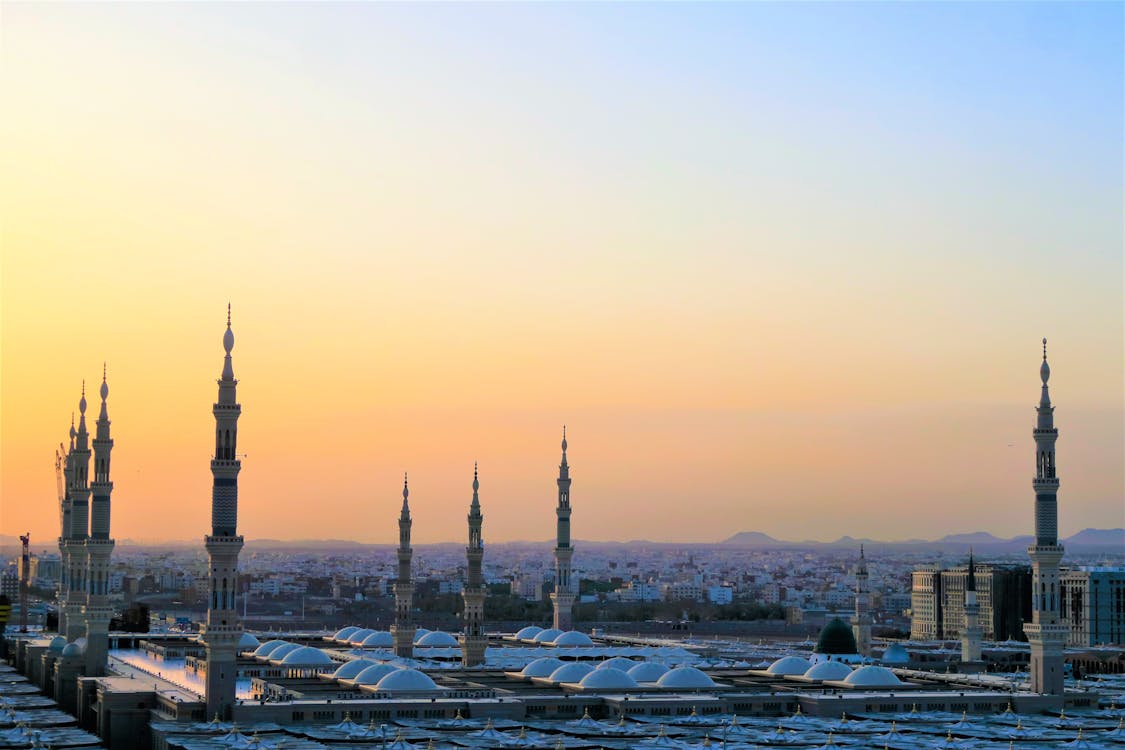
Saudi Arabia Travel Guide 2025
Culture, History, Food, Top Places to Visit and Smart Tips for First Timers
Saudi Arabia is a country filled with contrast. Golden deserts meet modern skyscrapers. Ancient heritage stands beside futuristic development. For decades, the Kingdom remained closed to most leisure travelers. Today it is opening rapidly and becoming one of the most intriguing destinations in the world.
If you are curious about Saudi Arabia or planning your first trip, this guide gives you what you need to understand the country, choose where to go, what to eat, and how to travel respectfully and confidently.
Overview of Saudi Arabia
Saudi Arabia lies on the Arabian Peninsula and shares borders with Jordan, Iraq, Kuwait, Qatar, the United Arab Emirates, Oman, and Yemen. It also has long coastlines along the Red Sea and the Arabian Gulf. The geography is vast and diverse. There are cities filled with modern energy, deserts with soft dunes that stretch beyond the horizon, mountains with cool air, and coastal regions rich with coral and marine life.
In the past, Saudi Arabia was known mainly for Mecca, Medina, and petroleum wealth. Tourism remained quiet. Today, new policies invite travelers to explore landscapes, history, and cultural life that were once difficult to access. This is a rare moment to see a country in transformation.
Why Visit Saudi Arabia
Travelers visit Saudi Arabia for many reasons. Some come for history. Some come for desert adventure. Others come seeking a destination with deep culture that still feels authentic.
Reasons for its growing popularity include:
The blend of heritage and modern development
The scale of its desert landscapes
The cultural identity and hospitality of local people
The uniqueness of its archaeological sites and natural formations
Saudi Arabia offers both simplicity and sophistication. You might sit on carpets drinking spiced tea in the morning, then walk through a futuristic district by evening. This balance creates a travel experience that feels both grounded and new.
History of Saudi Arabia
The land of Saudi Arabia has been inhabited for thousands of years. Ancient tribes traveled through the desert along trade routes connecting Africa, Asia, and the Mediterranean. Caravans carried spices, incense, gold, and ideas. Bedouin culture shaped life in the Arabian interior, influencing music, poetry, architecture, and hospitality.
In the seventh century, Islam was born in Mecca. From that moment, the region became one of the most spiritually important areas in the world. The cities of Mecca and Medina remain sacred and receive millions of pilgrims every year.
In the modern era, the discovery of oil transformed the economy. Today, Saudi Arabia is developing rapidly through Vision 2030, a national program focused on tourism, culture, and technology. Travelers witness a country balancing tradition with innovation, which makes visiting now especially interesting.
Geography and Climate
Saudi Arabia covers a large territory and contains a surprising variety of landscapes, including:
The Rub al Khali desert, one of the largest sand deserts on earth
Mountain ranges near Abha and Taif
Volcanic craters such as Harrat Khaybar
Red Sea coral coasts near Jeddah
Climate varies by region, but most of the country is hot and dry for much of the year. Winter is cooler and more comfortable for outdoor travel.
Best time to visit: November to March
Summer is extremely hot, especially in the inland regions. Travelers who prefer cooler weather and longer outdoor excursions should plan for winter months.
Top Cities to Explore
Saudi Arabia has several noteworthy cities, each offering a different style of travel.
Riyadh
The capital. Known for museums, modern architecture, historical forts, and high-energy development. Riyadh represents the future direction of the Kingdom.
Jeddah
Located on the Red Sea. Known for seafront promenades, fresh seafood, old town Al Balad, and coral reef diving. The atmosphere feels more relaxed and coastal.
AlUla
A highlight for many visitors. Famous for sandstone canyons, Nabatean tombs, and UNESCO archaeological sites. This is where desert history feels alive.
Mecca and Medina
Holy cities for Muslim travelers. Access is restricted to Muslims, and visitors are expected to follow rules with full respect. For eligible travelers, these cities are life-changing destinations.
Must See Attractions and Experiences
Saudi Arabia rewards slow discovery. These experiences often define a trip:
Archaeological valleys in AlUla
Historic districts such as Diriyah near Riyadh
Desert camping and stargazing far from city light
Red Sea diving with coral, turtles, and clear water
Traditional souqs and perfume markets
Unique Saudi moments include sharing dates and Arabic coffee with locals, listening to traditional music beneath desert stars, and exploring ancient carvings shaped by civilizations few outside the region have ever known.
Culture, Etiquette and Social Norms
Understanding local culture makes travel more enjoyable. Saudis value hospitality, modesty, and respect for tradition.
Dress is generally modest. Lightweight long clothing is most appropriate for both men and women. In larger cities, dress is more flexible, but respectful clothing is still recommended.
Public behavior between men and women is more reserved than in many countries. Alcohol is prohibited. Prayers occur several times a day and many shops pause service during prayer times. Visitors should respect these customs.
Travelers who show curiosity and courtesy often receive warm responses in return.
Food and Dining
Saudi cuisine is flavorful, comforting, and often shared as a communal experience. Meals may include rice dishes with lamb or chicken, flatbreads, grilled meats, and slow cooked stews. Seasonings are aromatic rather than intensely spicy.
Dishes to try include:
Kabsa, a traditional rice dish with meat
Mandi, rice cooked underground for a tender smoky aroma
Jareesh, crushed wheat with spices and meat
Dates served with Arabian coffee
Tea and coffee are central to hospitality. Accepting a drink when offered is seen as a gesture of respect and friendliness.
Travel Tips and Practical Guide
Transportation varies by city. Riyadh and Jeddah have modern highways and app based ride services. Some visitors rent a car for flexibility, but desert driving requires caution and experience. Intercity flights are common because of long distances between regions.
Currency is the Saudi Riyal. Credit cards are widely accepted in cities, though carrying a small amount of cash is useful for markets or smaller shops. Tap-to-pay systems are increasingly common.
Internet access is good in urban areas. Many travelers prefer using an eSIM for convenience. It activates quickly, avoids roaming charges, and works immediately when landing. This is especially useful if you plan to travel between regions.
Arabic is the official language. English is understood in hotels, airports, and many restaurants. Learning basic greetings creates instant connection and is often appreciated by locals.
Accommodation and Where to Stay
Travelers can choose from luxury hotels, modern business hotels, coastal resorts, and boutique heritage stays. Large cities offer international brands and premium comfort. In AlUla and desert regions, eco lodges and tent camps provide atmospheric stays that highlight the landscape.
Choosing the right area depends on your travel style.
City explorers may prefer Riyadh or Jeddah for access to attractions and dining.
History and nature lovers gravitate toward AlUla.
Pilgrimage travelers focus on Mecca and Medina.
Fun and Surprising Facts
Saudi Arabia has hidden stories and cultural details that often surprise new visitors.
The country has snow in mountain areas during winter.
The Red Sea coastline is one of the world’s healthiest coral regions.
Falconry remains a respected cultural sport passed through generations.
Saudi coffee is lightly roasted and flavored with cardamom, very different from typical Western coffee.
These details add personality to the destination and make travel more memorable.
Final Thoughts
Saudi Arabia is not a country you only see. It is a country you feel.
The rhythm of daily life. The silence of the desert. The pride of culture and heritage. The rapid movement toward the future. Visiting Saudi Arabia offers more than attractions. It offers perspective.
If you want a destination with depth, story, architecture, and landscape, Saudi Arabia deserves a place on your travel list. Travelers who come with respect and curiosity often leave with experiences they can never replace.

