




Easter Island, or Rapa Nui, is one of the most remote places on earth. Known for its giant stone statues and dramatic coastline, it has long captured the imagination of travelers. Choosing the right season is crucial, as weather, festivals, and crowds can significantly impact the overall experience of your journey.
This guide explains the best time to visit Easter Island, how each season feels, and what you can expect during your stay. Whether you dream of joining the Tapati Festival, enjoying quiet hikes, or finding good travel deals, the right timing shapes every Easter Island trip.
Visual: Easter Island’s Map by Google
You will also learn practical details on how to visit Easter Island—from flights and accommodations to tips on avoiding crowds. With the right plan, your journey to Rapa Nui becomes more than a vacation. It becomes an adventure across history, culture, and landscape.
I. Easter Island Climate Overview
Understanding the climate is the first step to planning an Easter Island trip. The island has a subtropical climate, which means temperatures are mild year-round, but rain and wind can appear at any time.
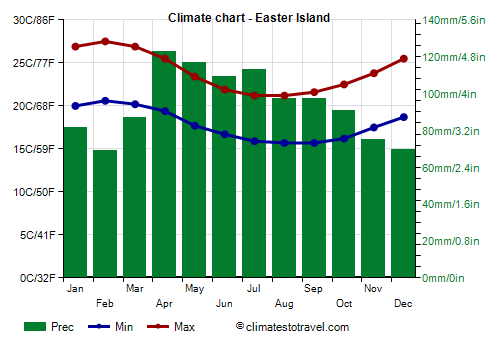
- Temperature stays comfortable, usually between 15°C (59°F) in winter and 28°C (82°F) in summer.
- Rainfall is spread across the year, with slightly wetter months from April to June and again in October.
- Winds can be strong, especially in winter, which affects hiking and coastal activities.
Because conditions shift quickly, the best time to visit Easter Island depends on what you want most—clear skies for photography, lively festivals, or quiet days with fewer visitors.
For travelers wondering how to visit Easter Island in the most practical way, it helps to match your plans with the island’s seasonal patterns. Doing so ensures you get the right balance of weather, activities, and comfort.

II. Peak Season Summer Months December to February
Summer is the busiest time for an Easter Island trip. Days are warm, skies are clear, and the island feels alive with energy. Temperatures often sit between 25°C and 28°C, perfect for hiking, cycling, and long days by the coast.
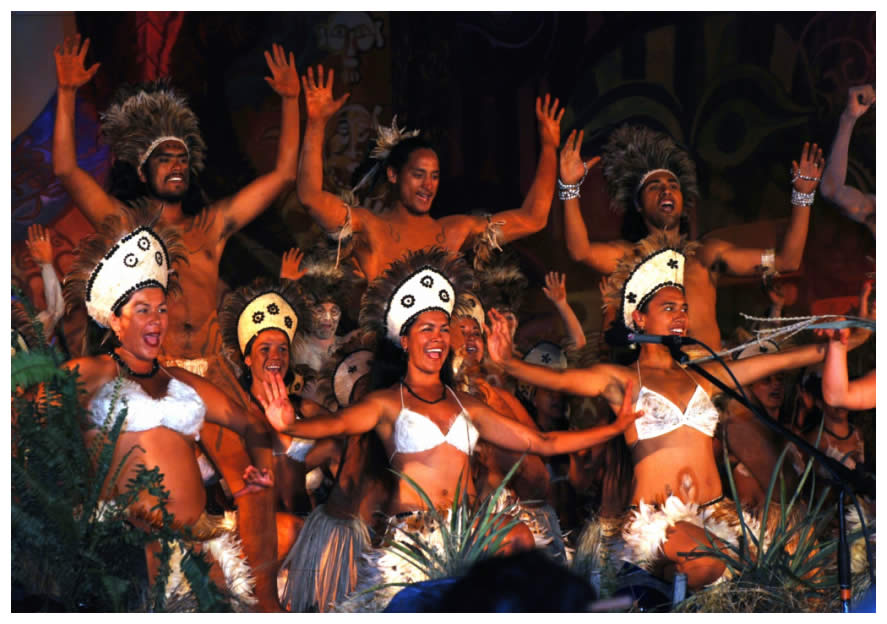
The highlight of this season is the Tapati Festival, held each February. It is the island’s biggest cultural event, filled with music, dance, and competitions that celebrate Rapa Nui traditions. For many travelers, this is the best time to visit Easter Island if culture is their priority.
The main drawback is the crowd. Hotels book out quickly, flights rise in price, and popular sites feel busy. If you plan how to visit Easter Island during these months, book accommodation and tickets well in advance. This ensures you enjoy the vibrant atmosphere without stress.
III. Shoulder Seasons April to June and September to November
Many travelers find the mid-seasons the most rewarding time to go. The weather is pleasant, sitting between 18°C and 24°C, and the island feels relaxed without heavy crowds.
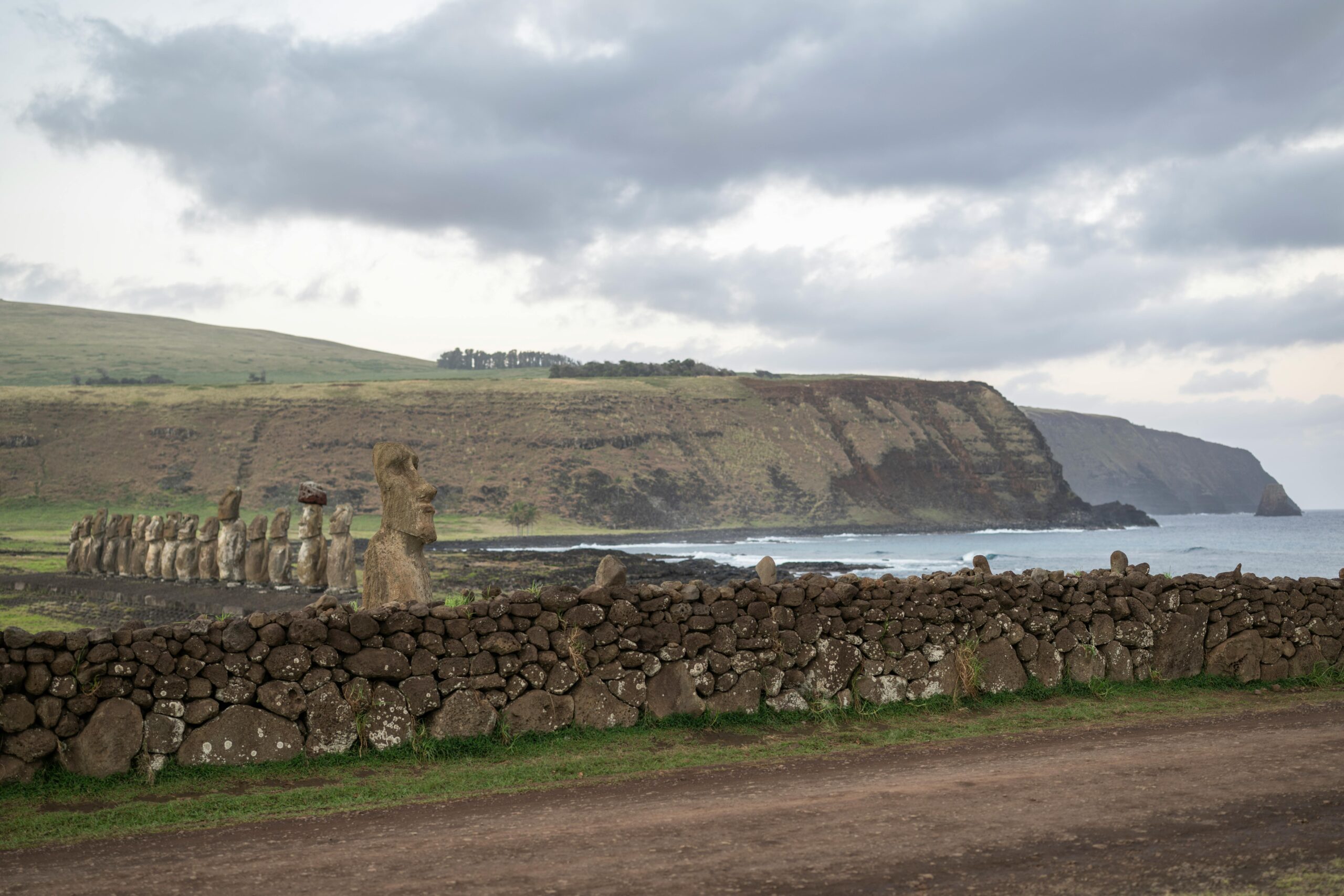
In April and May, showers are more common, but the rain leaves the landscape greener and skies more dramatic for photos. September through November brings cooler air and wildflowers across the hills, making hikes especially beautiful.
These periods are also lighter on the wallet. Hotels and flights are easier to book and often cheaper than during the busy summer. For those who want space, comfort, and a slower rhythm, the shoulder seasons deliver a balanced and peaceful experience.
IV. Low Season May to August
Winter is the quietest time on Easter Island. Temperatures drop to around 15°C, and winds are stronger, which can make outdoor activities less predictable. Rain showers are more frequent, though they rarely last the whole day.
The upside is peace. With fewer visitors, the island feels almost private. Walking among the moai or watching the waves crash against the cliffs can feel like a personal experience. Prices for flights and hotels are also lower, giving budget-minded travelers more flexibility.
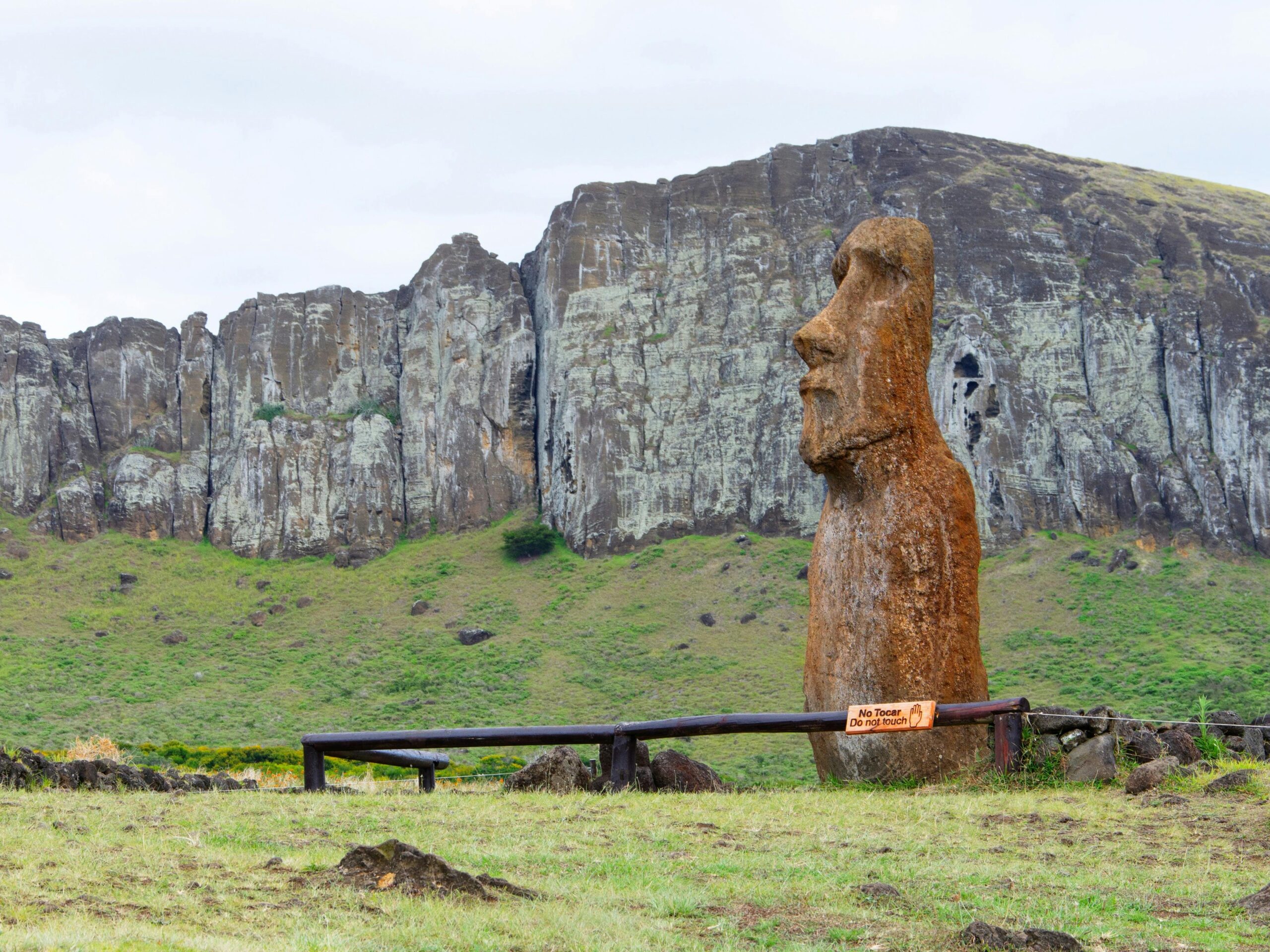
The drawback is that weather may disrupt plans. Hiking trails can be muddy, and some tours may be canceled when seas are rough. For those willing to embrace unpredictability, however, winter offers a rare and intimate side of Rapa Nui.
V. Festivals and Special Events
One of the biggest cultural draws on Easter Island is the Tapati Festival. Held every February, it lasts about two weeks and transforms the island into a stage for music, dance, and athletic competitions rooted in ancient traditions. For many travelers, this is the most unforgettable time to visit, even if it means higher prices and larger crowds.
Outside of Tapati, the island does not host many large festivals, but smaller community events can sometimes be found. Local church gatherings, craft fairs, or traditional performances may take place depending on the season. These smaller occasions offer a more personal view of daily life and can be just as rewarding for curious visitors.
VI.Logistics and Travel Planning
Reaching Easter Island requires some forward planning. The island is part of Chile, and nearly all flights depart from Santiago. A few routes also connect through Tahiti, but schedules are limited. Seats sell out quickly during summer and around the Tapati Festival, so booking early is essential.
Once on the island, most visitors stay in Hanga Roa, the only town. From there, you can rent a car, bike, or join guided tours to reach the moai sites, volcano craters, and beaches spread across the island. Roads are simple to navigate, but fuel is expensive and should be planned for.
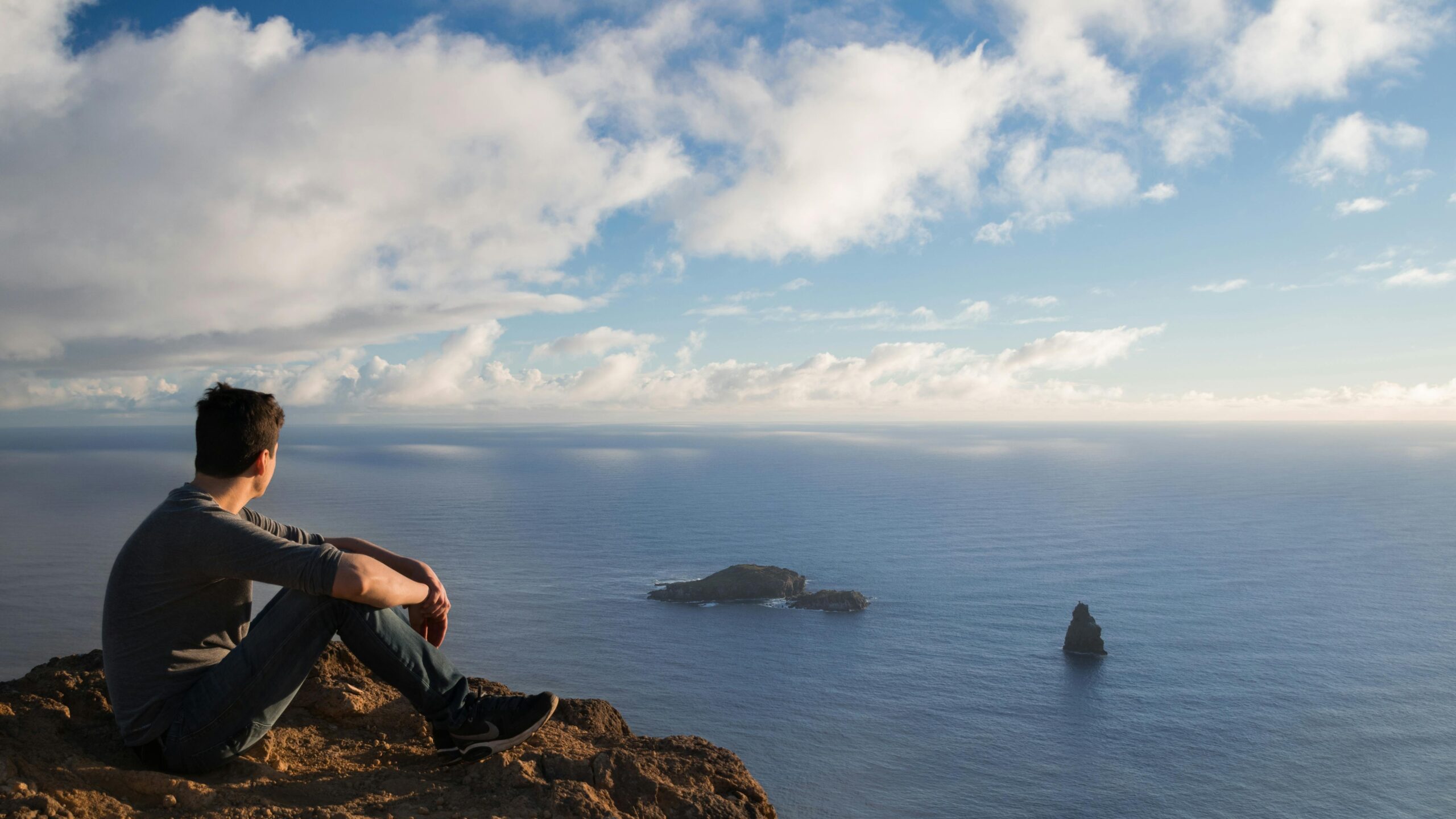
Accommodation ranges from small guesthouses to boutique hotels. Options are fewer than on the mainland, so reserving in advance is wise, especially in peak season. With careful planning, getting around is straightforward and adds to the adventure of the journey.
VII. Where to Stay and What to Pack
Choosing the right place to stay and packing smart can make your time on Easter Island much easier. With limited options and unpredictable weather, a little preparation goes a long way.
Accommodation options
- Most places are in Hanga Roa, the island’s only town.
- Budget: homestays, small inns, and family-run hostels.
- Mid-range: boutique hotels with ocean views and cozy guesthouses.
- High-end: a handful of luxury resorts, often booked months ahead.
Packing essentials
- Comfortable walking shoes for exploring moai sites and craters.
- Light jacket and rain gear for sudden showers.
- Sunscreen, hat, and breathable clothing during summer months.
- Warmer layers and waterproof gear if visiting in winter.
- Keep luggage light to avoid high baggage fees on limited flights.
A thoughtful choice of lodging and a simple, flexible packing list ensure that your focus stays on the landscapes, history, and culture that make Easter Island unforgettable.
VIII. Budget and Crowd Considerations
Travel costs on Easter Island vary a lot depending on the season. Understanding how prices and crowds shift will help you plan wisely.
- High season (Dec–Feb): Flights and hotels are at their most expensive. Sites and beaches are busier, especially during the Tapati Festival.
- Shoulder seasons (Apr–Jun, Sep–Nov): Better balance of price and comfort. Fewer visitors mean more space at major moai sites and easier bookings.
- Low season (May–Aug): Cheapest time for flights and stays, but the weather is less predictable and some tours may be canceled.
No matter when you visit, booking flights and accommodation early is essential. With only a limited number of daily flights, last-minute deals are rare. A flexible budget and advance planning make it easier to enjoy the island without stress.
🌍 Stay Connected on Rapa Nui
Exploring remote Easter Island is magical—but staying online can be tricky. With a Gohub eSIM, you’ll enjoy instant activation, no roaming fees, and reliable data across Chile and beyond. Travel light, connect smarter.
IX. Frequently Asked Questions
Is December to February always the best time to go?
Not for everyone. Summer has the best weather and the Tapati Festival, but it also brings the biggest crowds and highest prices.
Can I visit Easter Island in winter?
Yes, though expect cooler temperatures, stronger winds, and more rain. The benefit is a quiet atmosphere and lower costs.
How many days should I spend on the island?
Most travelers stay four to five days. This allows time to see the moai, hike volcano craters, and relax without rushing.
How do I get there?
Flights connect mainly from Santiago, Chile, with limited schedules. A few routes link through Tahiti, but options are rare.
Is Easter Island expensive?
Compared to mainland Chile, yes. Limited supply raises the cost of food, fuel, and accommodation. Planning ahead and traveling outside peak season helps manage expenses.
X. Conclusion
Choosing the best time to visit Easter Island depends on what kind of journey you want. Summer is lively, with warm weather and the Tapati Festival, making it the most popular season for an Easter Island trip. The shoulder months offer a calmer rhythm, milder weather, and better prices. Winter is quieter still, perfect for travelers who value solitude over sunshine.
No matter when you decide to go, knowing how to visit Easter Island—from booking flights early to planning for rain or crowds—will make the experience smoother. With preparation and the right timing, your visit to Rapa Nui becomes more than a holiday. It becomes a once-in-a-lifetime journey into history, culture, and the spirit of the Pacific.
Grab the Best eSIM for International Travel
Related Articles You Might Like
- Top Things to Do in Pilsen (Local Perspective) – Explore Pilsen through a local’s eyes, from hidden cafés to cultural landmarks and unique city vibes.
- The Most Beautiful Islands in the World – Dreaming of turquoise waters and white sands? Discover the world’s most stunning islands worth adding to your bucket list.
- Things to Do in Machu Picchu – Go beyond the postcard view with epic hikes, ancient ruins, and insider tips to make the most of your Machu Picchu adventure.
- Family Destinations in Mexico – Planning a family trip? Find Mexico’s best family-friendly destinations, from sunny beaches to cultural gems.