






Planning a trip to Tunisia. The country reached more than ten million international visitors in 2025 according to the Tunisian National Tourism Office. This represents a strong increase compared to the previous year and confirms Tunisia as one of the most visited destinations in the Mediterranean. With more travelers exploring Tunis, Sidi Bou Said, Carthage, Sousse and the Sahara region, reliable mobile data has become an essential part of the travel experience.
Visitors often rely on internet access for maps, translation, ride-hailing, bookings, and safety updates. However, roaming from your home network in Tunisia can be very expensive. Buying a physical SIM card at the airport is another option, but long lines at telecom counters and strict registration rules can slow you down. Coverage quality may also vary from shop to shop.
A Tunisia eSIM provides a simpler and more secure way to stay connected online. Gohub provides a Tunisia eSIM with twenty gigabytes of high-speed data for thirty days. The plan uses a trusted local carrier to keep you connected throughout the country. Activation is simple, requiring only the scanning of a QR code, with no need for identification or paperwork. Customer support is available at all hours and replacement is provided within one hour if any issue occurs.
In this guide, you will find accurate information about Tunisia eSIM pricing, coverage, installation steps, and practical comparisons with other connectivity options in the country. The goal is to help you choose a reliable internet solution that supports your entire journey.
I. Why You Need a Tunisia eSIM?
Tunisia has become one of the most visited destinations in North Africa. The country receives millions of tourists each year and the demand for reliable mobile data continues to grow. Travelers use the internet constantly whenever they search for historical sites, plan day trips, check transport schedules or navigate through crowded medinas. A stable connection is no longer optional. It is part of a safe and comfortable travel experience.
A Tunisia eSIM solves the most common problems that visitors face on arrival. The first challenge is airport connectivity. Public WiFi in Tunis Carthage Airport can be slow or unstable and physical SIM counters often attract long waiting lines. Many shops also require passport registration. After a long flight, this process can feel draining. An eSIM removes all these steps and gives you instant internet access as soon as you turn on your phone.
Another concern is roaming. International roaming fees can rise quickly in Tunisia and even light usage can result in a large bill. A short video, a map download or a few minutes of social media browsing may cost far more than expected. A prepaid Tunisia eSIM prevents this risk because the price is fixed. You know exactly how much data you receive and how long it remains valid.
A third benefit is convenience. You do not need to remove your physical SIM card and you can keep receiving important messages from your bank or airline. An eSIM works alongside your existing number, which keeps your phone fully functional during the trip.
Gohub uses a trusted local carrier to provide strong 4G speeds across major cities and popular tourist regions. This helps you stay connected in Tunis, Sousse, Djerba and many inland destinations where travelers often rely on navigation apps. If you experience any difficulty, Gohub provides customer support at all hours and a replacement eSIM within one hour.
For most visitors, a Tunisia eSIM is the quickest, clearest and safest way to stay online from the moment the plane lands until the trip ends.
II. How Much a Tunisia eSIM Costs?
The cost of mobile data in Tunisia varies widely across international eSIM providers. Prices change based on the amount of data, the validity period and the network partner used in the country. Some platforms offer small data packages at low prices, while others focus on unlimited plans with speed restrictions after a certain point. For most travelers, the important factors are the cost per gigabyte, the reliability of the local network and the total value of the plan.
A typical Tunisia eSIM on global marketplaces can range from one dollar per gigabyte to more than ten dollars per gigabyte. Short term one gigabyte plans are usually the cheapest but they run out quickly, especially if you use maps, social apps or ride hailing services. Plans with higher data limits often provide better value because the cost per gigabyte becomes more affordable as the package grows.
Gohub offers a simple and transparent Tunisia plan that covers the needs of most visitors. The plan provides twenty gigabytes of high speed data with a validity of thirty days. It is priced at thirty point zero nine United States dollars after the active promotion. This gives you a clear price per gigabyte that remains competitive with other international brands while still offering coverage from a trusted local carrier.
The plan becomes active as soon as you scan the QR code and it must be installed within thirty days from the time you receive it. There are no extra fees and no roaming charges. If you use up your data, you can purchase another plan in the same way without visiting a store or showing identification.
When evaluating Tunisia eSIM prices, the most important consideration is not just the lowest number on the screen. What matters is the combination of cost, network strength and real support during your trip. The Gohub plan is designed to offer a balance of affordability and stability so that you stay connected throughout your journey without worrying about hidden fees.

III. Best Tunisia eSIM for Travelers
A good Tunisia eSIM should offer strong coverage, fast data speeds, easy installation and clear pricing. Travelers often compare several providers, but the best choice usually depends on reliability and overall convenience rather than only the lowest cost. The following overview explains why the Gohub Tunisia eSIM is a suitable option for most visitors.
1. Gohub Tunisia eSIM Overview
The Gohub Tunisia eSIM provides twenty gigabytes of high speed data with a validity period of thirty days. This plan matches the needs of tourists who want steady internet for maps, social apps, messaging, hotel bookings and daily travel planning. The data package is large enough for a one or two week trip and still comfortable for longer stays.
2. Network Quality and Coverage
The eSIM connects to a trusted local carrier in Tunisia. This gives travelers strong and stable coverage in major destinations such as Tunis, Sousse, Hammamet, Djerba, Sfax and other commonly visited regions. Reliable coverage is important because many activities require mobile data, including navigation, airport transfers and restaurant searches.
3. Simple Activation Process
The activation process is direct and beginner friendly. After purchase, Gohub sends a QR code by email. You scan the code once and the eSIM becomes active as soon as you arrive in Tunisia. There is no need to remove your physical SIM card and you can keep receiving messages from your bank or airline during your trip. No store visit and no registration are required.
4. Customer Support and Replacement Policy
Customer support is available at all hours, which is useful for travelers arriving on late flights or moving across different time zones. If a technical issue occurs, Gohub provides a replacement eSIM within one hour. This policy reduces the risk of being left without mobile data during the trip.
5. Price and Value
The current price of the twenty gigabyte Tunisia eSIM is thirty point zero nine United States dollars. This offers a competitive cost per gigabyte compared to many global platforms. Since the plan uses a local network partner, travelers receive the benefit of stable performance at a reasonable price without hidden fees.
Price Disclaimer:
The price shown is the current promotional price at the time of writing. It may change depending on seasonal offers or future updates on the official Gohub website. Travelers are encouraged to check the latest price on the Gohub Tunisia eSIM product page before purchasing.
6. Who Benefits Most from the Gohub Tunisia eSIM
The plan is suitable for travelers who want reliable internet from the moment they land. It works well for solo travelers, couples, families, business visitors and digital users who need consistent access to maps, messages, emails and travel apps. The combination of simple setup, strong local coverage and clear pricing makes it a practical option for most tourist itineraries.
IV. Tunisia eSIM Coverage
Mobile coverage in Tunisia is shaped by a few major telecom operators that manage most of the country’s cellular infrastructure. The quality of your eSIM experience depends on the strength of these networks, especially if you plan to move between cities, coastal regions and desert areas. Understanding how coverage works will help you know what to expect once you arrive.
1. Overview of Mobile Networks in Tunisia
Tunisia has three primary mobile carriers that provide nationwide service. These providers supply 4G connectivity to most urban and tourist areas. Coverage is generally strong in Tunis, Sousse, Hammamet, Djerba, Monastir and other popular destinations. Inland areas and smaller towns also have coverage, although speeds may vary depending on the region and local tower availability.
Tunisie Telecom
This is the oldest telecom provider in the country. It offers wide coverage across both urban and rural regions, and maintains strong 4G availability on major travel routes.

Ooredoo Tunisia
Previously known as Tunisiana, Ooredoo is one of the most widely used networks. It delivers strong performance in large cities and popular tourist destinations. Many users consider it reliable for general travel needs.
Orange Tunisia
Orange provides solid 4G coverage in urban centers and coastal regions. It is known for good data speeds and consistent service, especially in areas with high tourist activity.
These three carriers form the backbone of mobile connectivity in Tunisia, and they power most prepaid and travel eSIM services available in the market.
2. Coverage You Can Expect With the Gohub Tunisia eSIM
The Gohub Tunisia eSIM connects to a trusted local carrier. This allows travelers to benefit from stable 4G speeds in major cities and along frequently visited routes. The connection supports common travel uses such as navigation, social apps, online booking platforms, messaging and email.
The experience is generally smooth in environments where tourists spend most of their time. Historical centers, beaches, hotels, airports and main roads all receive consistent signals. Travelers who visit remote desert sites may see occasional slowdowns, which is normal for mobile data in large rural landscapes.
3. Why Local Network Access Matters
Using a local Tunisian network has three advantages. The first advantage is faster speeds because your phone connects directly to a domestic carrier rather than relying on international roaming partners. The second advantage is better stability since local towers are optimised for regional traffic. The third advantage is lower latency, which improves navigation accuracy and overall responsiveness.
4. Coverage for Different Travel Activities
If you rely on maps and ride hailing services, the coverage provided by the Gohub eSIM supports these activities in the main tourist regions. If you enjoy sharing photos, browsing social platforms or streaming short videos, the connection remains stable in urban zones. If you plan to work remotely during your trip, you can expect reliable performance in hotels and city cafes with strong 4G presence.
5. Final Notes on Coverage Expectations
No mobile network offers perfect coverage in every corner of any country, and Tunisia is not an exception. However, the local carrier used by the Gohub Tunisia eSIM offers wide and dependable coverage for travelers. It supports the essential digital tasks that visitors need throughout their trip and reduces the uncertainty that comes with unfamiliar networks.
Best Data Plans for Tunisia Travel
V. How to Install and Activate Your Tunisia eSIM
Installing a Tunisia eSIM is a simple process that works well even for travelers who have never used an eSIM before. The entire setup takes only a few minutes and can be completed before you fly or as soon as you land in Tunisia. Once activated, your phone connects to the local network immediately and you can start using mobile data for navigation, booking services and communication.
Step One: Check Device Compatibility
Before purchasing the eSIM, make sure your phone supports eSIM technology. Most recent models from Apple, Samsung and Google already include this feature. If you are unsure, you can check your device settings or use the compatibility guide on the Gohub website.
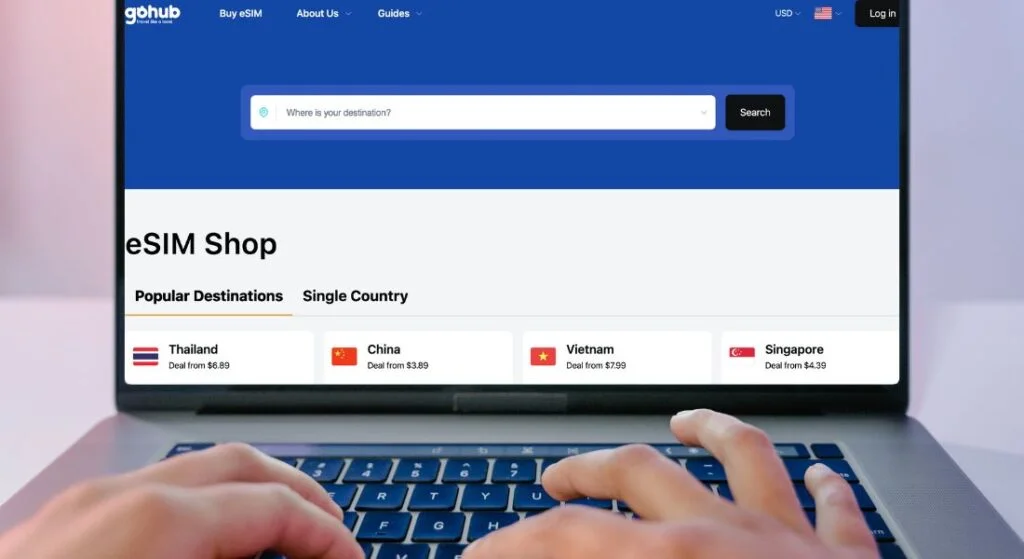
Step Two: Purchase the Tunisia eSIM
After confirming that your device supports eSIM, you can buy the Tunisia plan directly from the Gohub website. The plan includes twenty gigabytes of high speed data with a validity period of thirty days. You will receive an email containing your eSIM details shortly after completing the payment.
Step Three: Open the Email and Scan the QR Code
The email you receive contains a QR code that installs the eSIM. Open the email on another device or print the QR code so that your phone camera can scan it. Go to the mobile data settings on your phone, select the option to add an eSIM and scan the code. The installation process begins automatically.
Step Four: Turn On Mobile Data and Signal Roaming
Once the eSIM is installed, you can select it as your mobile data line. Turn on mobile data, allow roaming in your settings and your phone will connect to the local Tunisian carrier. There is no registration and no paperwork required. The connection usually appears within a few seconds.
Step Five: Keep Your Physical SIM Active if Needed
You can continue to use your physical SIM card for receiving verification messages from your bank or airline. Your phone allows both lines to stay active at the same time. This is helpful if you expect to receive important notifications during your trip.
Support During Activation
If you experience any difficulty during installation, Gohub provides customer support at all hours. If a technical issue prevents the eSIM from working, a replacement can be issued within one hour. This ensures that you have reliable mobile data as soon as possible.
Activation Window
The eSIM must be installed within thirty days after receiving the QR code. Installation does not begin until you scan the code, so you can buy the plan ahead of your trip and activate it when you are ready.
VI. Tunisia eSIM vs Local SIM vs Roaming vs Pocket WiFi
Travelers have several options for getting mobile data in Tunisia. Each option offers different levels of convenience, speed and cost. Understanding these differences will help you choose the most suitable solution for your trip. The comparison below focuses on the four most common choices: a Tunisia eSIM, a physical local SIM card, international roaming from your home network and portable WiFi devices.
Tunisia eSIM
A Tunisia eSIM offers the simplest and most flexible way to get online. It can be installed before departure or immediately after arrival. You only need to scan a QR code and your phone connects to a trusted local carrier within seconds. You avoid long lines at airport counters and you do not need identification or registration.
The Gohub Tunisia eSIM includes twenty gigabytes of high speed data for thirty days, which covers navigation, messaging, social platforms, email and booking tools. Customer support is available at all hours and a replacement eSIM can be issued within one hour if a technical problem occurs. This makes the eSIM a reliable option for travelers who want quick access to mobile data without the usual complications.
Local SIM Card
Local SIM cards are available at airports and in city shops. They can offer good value, especially for travelers who need a local phone number. However, the process often requires passport registration and can involve long queues at busy times. Coverage and plan availability may vary from shop to shop. Travelers must also remove their physical SIM card, which prevents them from receiving important verification messages from their home network.
International Roaming
Roaming from your home network is the most convenient option because it activates automatically, but it is also the most expensive. Roaming fees in Tunisia can rise quickly, even with light usage. A few minutes of browsing or a single map download may lead to a significant bill. Since charges often appear after the trip, many travelers prefer prepaid solutions to avoid unexpected costs.
Pocket WiFi Devices
Pocket WiFi devices provide shared internet access for multiple users. They work well for groups or families who move together. However, these devices must be carried, charged and protected throughout the trip. Rental fees can be high, especially for long stays, and the connection still depends on the quality of the local network. If the device is lost or damaged, additional fees may apply.
Which Option Is Best for Most Travelers
For most visitors, a Tunisia eSIM offers the best combination of convenience, reliability and cost control. It gives you instant access to high speed data without needing to handle physical cards or pay roaming charges. It also allows you to keep your primary number active for essential messages. Travelers who need a local phone number may still consider a physical SIM, but for general tourism, digital navigation and daily communication, the eSIM remains the most practical choice.
| Option | Activation Method | Price Range | Data Quality | Network Coverage | Convenience |
|---|---|---|---|---|---|
| Tunisia eSIM | Scan a QR code and activate instantly | Prepaid from low to moderate | High speed data | Strong coverage via local carriers | Very high, no store visit needed |
| Local SIM Card | Buy at airport or shop, register passport | Usually low | Good for most tourist areas | Strong in cities and major towns | Medium, requires SIM swap |
| International Roaming | Turn on roaming on your phone | Very high and unpredictable | Depends on home carrier agreements | Varies by roaming partner | High convenience but risky cost |
| Pocket WiFi | Pick up or rent a device before trip | High for multi-day rentals | Good when signal is strong | Depends on the area | Useful for groups but inconvenient to carry |
VII. Who Should Buy a Tunisia eSIM
A Tunisia eSIM is suitable for most types of travelers because it offers immediate connectivity, predictable pricing and access to strong local networks. However, different travelers use mobile data differently, so this section helps readers quickly identify whether an eSIM is the best fit for their needs.
Casual Tourists and Short Trip Travelers
Travelers visiting Tunisia for a few days or a week usually benefit the most from an eSIM. They only need enough data for navigation, ride hailing, travel apps, and staying in touch with family. Since an eSIM can be installed before departure, these travelers enjoy internet access the moment they land without having to look for a shop at the airport.
Solo Travelers and Backpackers
Solo travelers value safety and independence. A Tunisia eSIM keeps maps, translation apps and messaging services available at all times. It also prevents the risk of losing or misplacing a physical SIM card while moving between destinations. With clear prepaid pricing, solo travelers also avoid unexpected charges from international roaming.
Digital Nomads and Remote Workers
Tunisia attracts a growing number of remote professionals who need stable data to check email, join calls and upload files. A prepaid eSIM with a larger data allowance offers reliable connectivity through strong local carriers. The ability to top up data without visiting a store is especially important for long stays or flexible work schedules.
Family Travelers and Group Travel
Families and groups often use multiple devices at the same time. Instead of renting and carrying pocket WiFi, each traveler can install an individual eSIM on their phone. This keeps everyone connected during city tours, day trips or beach visits without depending on a shared device.
Travelers Arriving Late at Night or During Busy Hours
Airports in Tunis, Sousse and Djerba can get busy during peak arrival periods. Travelers arriving at night or during crowded times often find SIM shops closed or facing long lines. Installing an eSIM in advance removes this problem and ensures instant internet access the moment the aircraft lands.
Visitors Who Need to Keep Their Home SIM Active
Many travelers still need to receive verification codes from their bank, airline or email services. Because an eSIM uses digital installation, the physical SIM slot remains available. This means you can stay online in Tunisia while still keeping your primary number active for essential messages.
Business Travelers and Conference Attendees
For travelers attending meetings, trade events or conferences, time is valuable. An eSIM provides fast and stable data without registration procedures or identity checks at local shops. It also offers consistent connectivity when moving between hotels, venues and transport hubs.
Is a Tunisia eSIM Right for You
You should strongly consider an eSIM if you prefer simplicity, want to avoid roaming fees and need instant access to navigation and communication tools. Physical SIM cards remain suitable for travelers who specifically need a Tunisian phone number. Pocket WiFi is better for groups who share multiple laptops or tablets. For most travelers, though, a Tunisia eSIM remains the most reliable and convenient solution.
Best eSIM for International Travel
VIII. Frequently Asked Questions About Tunisia eSIMs
1. Is my specific phone model compatible with eSIMs in Tunisia?
Most recent smartphones support eSIM technology, including iPhone XR or later, Samsung Galaxy S20 models and newer, and Google Pixel 3a and newer. Your device must be unlocked to activate an international eSIM. Travelers should always verify compatibility before purchasing.
2. Can I use my home physical SIM and the Tunisia eSIM simultaneously?
Yes. Most modern, unlocked smartphones support dual SIM functionality, which allows you to keep your home SIM active for calls and SMS while using the Tunisia eSIM for mobile data. This is especially helpful for receiving bank OTP codes or airline updates.
3. Will I have to provide identification or documentation to buy a prepaid Tunisia eSIM?
No. International travel eSIM providers such as Gohub, Airalo, Saily, and Holafly typically do not require passport identification, which makes the process faster and simpler than buying a physical SIM in Tunisia.
4. Are Tunisia eSIM plans data-only, or do they include a local phone number for calls and SMS?
Most Tunisia travel eSIMs are data-only and do not include a local Tunisian phone number. Travelers can use apps such as WhatsApp, FaceTime, Telegram, or Messenger to make calls and send messages through mobile data.
5. What is network coverage like in the Sahara Desert, Djerba Island, or historic medinas?
Major cities and popular tourist destinations such as Tunis, Sousse, Hammamet, and Djerba typically have strong 4G or 5G coverage through networks like Ooredoo, Tunisie Telecom, or Orange Tunisia. Coverage becomes limited in remote desert regions, so it is recommended to download offline maps in advance.
6. When does my Tunisia eSIM data plan validity start: purchase, installation, or first connection?
It depends on the provider. Most plans begin when your phone first connects to a local Tunisian network. Some providers start the plan upon installation. Travelers should confirm this detail on the product page before activating their eSIM.
7. Can I top up my eSIM if I run out of data while traveling in Tunisia?
Yes. Most eSIM providers allow you to purchase more data or extend the validity period directly through their app or website. No store visit is required.
8. Does a Tunisia eSIM support mobile hotspot or tethering for laptops and tablets?
Most travel eSIMs for Tunisia allow hotspot sharing, but a few unlimited data plans may restrict tethering. It is best to check the plan details before purchasing, especially if you need to connect multiple devices.
9. What should I do if my eSIM does not connect or work after arriving in Tunisia?
Ensure your phone is unlocked, confirm that mobile data is assigned to the eSIM line, and check that APN settings match the provider’s instructions. If issues continue, most providers offer around-the-clock support and provide refunds for verified technical failures.
10. How does the cost of a Tunisia eSIM compare to international roaming or buying a local SIM?
A Tunisia eSIM is almost always cheaper than roaming with your home network. It is also highly competitive with local physical SIM cards, and it removes the need for documentation, queues, or SIM swapping. For most travelers, an eSIM provides the best overall balance of convenience, cost, and reliability.